
 Pin It
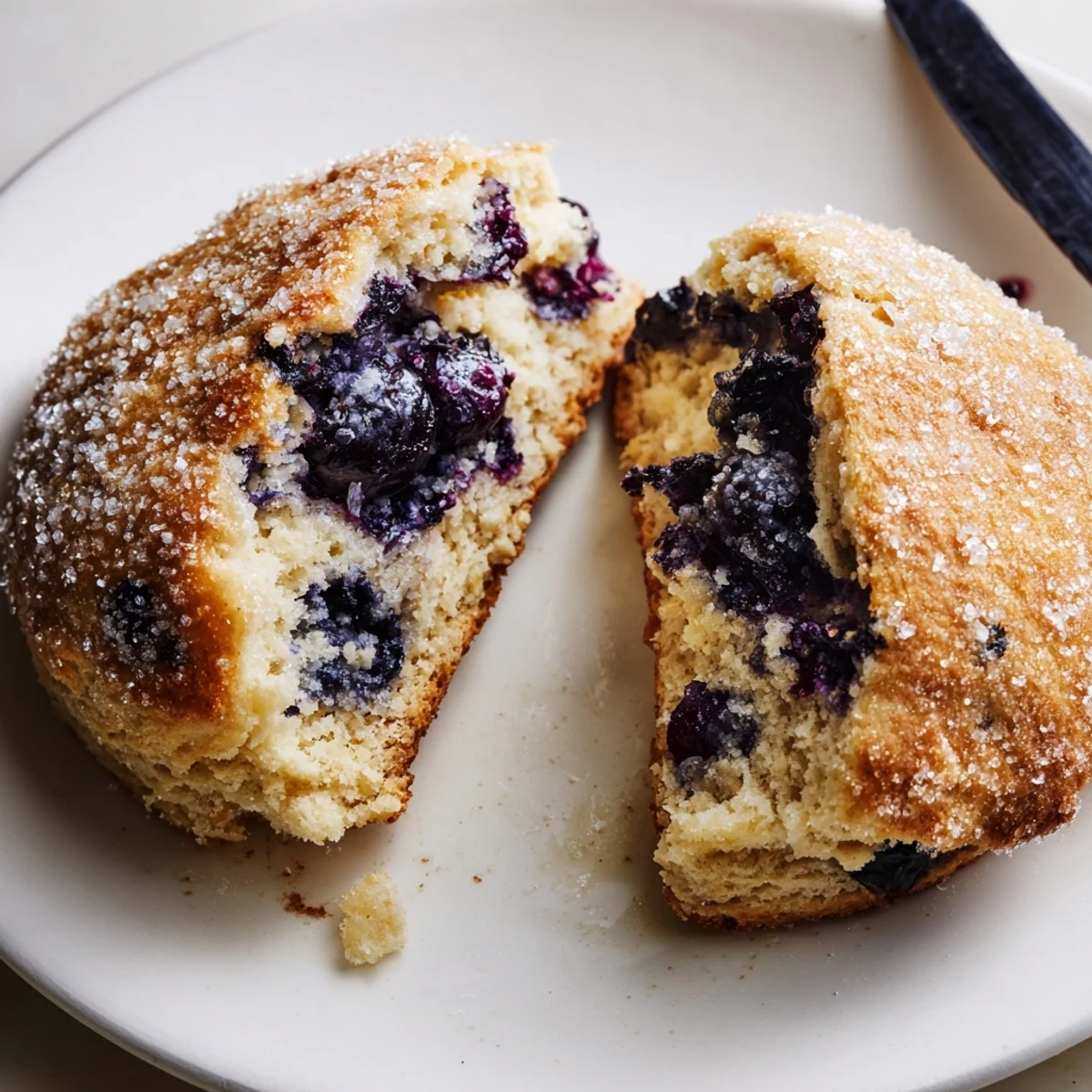
 These tender, buttery biscuits come together in just 35 minutes with pantry staples and fresh blueberries. The dough is enriched with cold butter for flaky layers, while juicy berries add natural sweetness throughout each bite. Perfect for weekend breakfasts or afternoon treats, they bake up golden brown with a slightly crisp exterior and soft interior. Serve them warm with a pat of butter, honey drizzle, or lemon glaze for an extra special touch.
Last Sunday morning, my kitchen filled with that incredible buttery aroma that wakes everyone up better than any alarm clock. I had a pint of blueberries threatening to turn if I didn't use them, and something about rainy weather makes me want to bake. These biscuits emerged from that impulse, golden and bursting with fruit, and now they're the most requested thing in my house.
My sister was visiting when I first made these, and she ate three straight from the cooling rack. We stood in the kitchen dipping warm biscuits in honey and talking about how the best recipes always start with what you have on hand. Now whenever she visits, blueberry biscuits are non-negotiable.
Ingredients
- All-purpose flour: The foundation that gives structure while staying tender
- Granulated sugar: Just enough sweetness to let the berries shine without becoming cake
- Baking powder: The lift that makes biscuits rise into fluffy layers
- Salt: Essential to balance sweetness and enhance all the flavors
- Cold butter: The absolute key—must stay cold to create those flaky pockets we love
- Whole milk: Adds richness that helps the biscuits brown beautifully
- Egg: Provides structure and helps the biscuits hold their shape
- Vanilla extract: Deepens the flavor and makes everything taste homemade
- Fresh blueberries: The star of the show, juicy and tart against the sweet dough
- Coarse sugar: Creates that bakery-style crunch on top
Instructions
- Prep your oven and pan:
- Get everything ready before you start mixing—cold dough needs to go into a hot oven immediately for best rise.
- Whisk the dry ingredients:
- Combine flour, sugar, baking powder, and salt in a large bowl until evenly distributed.
- Cut in the butter:
- Work those cold cubes into the flour until you see pea-sized pieces—some larger chunks are good and will become flaky layers.
- Mix the wet ingredients:
- Whisk milk, egg, and vanilla until combined, then pour into the dry mixture all at once.
- Gently combine:
- Mix just until you no longer see dry flour—overworking makes tough biscuits.
- Fold in the berries:
- Add blueberries at the very end and fold gently to avoid crushing them or turning your dough purple.
- Shape the dough:
- Turn onto a floured surface and pat gently, pressing straight down without twisting to keep layers intact.
- Cut and arrange:
- Use a sharp cutter and press straight down—twisting seals the edges and prevents rising.
- Finish with sugar:
- Sprinkle coarse sugar on top before baking for that professional touch and extra texture.
- Bake until golden:
- Look for deep golden color and resist opening the oven door during baking—temperature changes affect the rise.
 Pin It
 I've learned that the most important baking tool isn't my fancy mixer or my best baking sheet—it's my cold hands. When I start mixing everything together, I run my wrists under cold water first. Small things like that make the difference between good biscuits and great ones.
Getting The Best Rise
The biggest mistake I used to make was cutting my biscuits with a twisted motion, like I was trying to seal them shut. Turns out that actually seals the layers together and prevents them from rising properly. Now I press straight down and lift straight up, and the difference in height and flakiness is remarkable.
Make Ahead Magic
Sometimes I'll mix the dry ingredients and cut in the butter the night before, keeping everything in the fridge. Morning baking becomes so much faster when half the work is done. The butter stays cold from being refrigerated overnight, and I can have hot biscuits on the table in under 20 minutes.
Serving Ideas That Transform Them
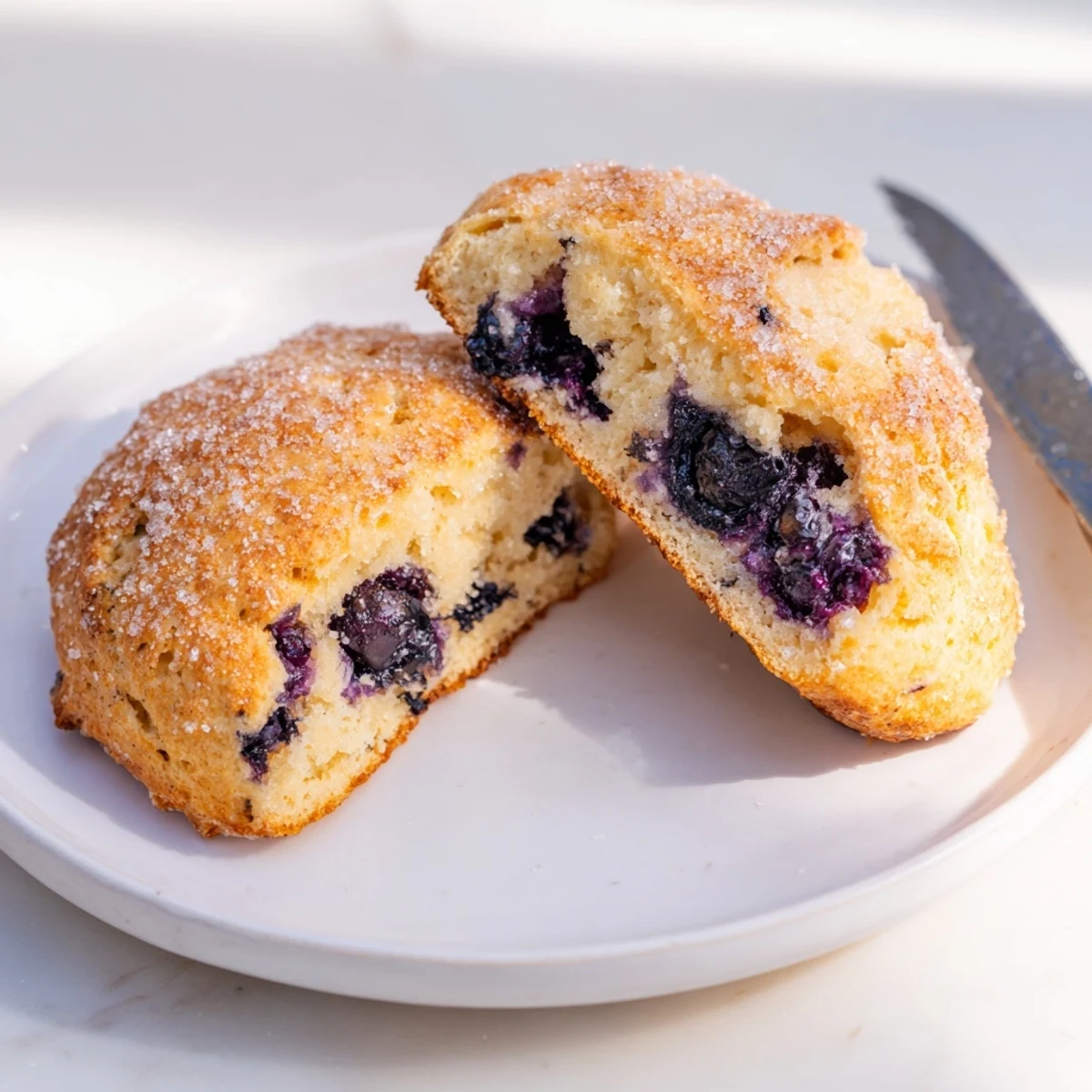
Split one while it's still warm and tuck in a scoop of vanilla ice cream—suddenly biscuits become dessert. Or serve them alongside scrambled eggs for a breakfast that feels like Sunday brunch at a restaurant. The coarse sugar topping makes them special enough to serve plain, but a lemon glaze made with powdered sugar and lemon juice elevates them to company food.
- Freeze unbaked biscuits on a baking sheet, then transfer to a bag for fresh baked treats anytime
- Brush the tops with a little heavy cream before adding sugar for extra golden color
- Leftovers are amazing split and toasted the next day, almost like a blueberry scone
 Pin It
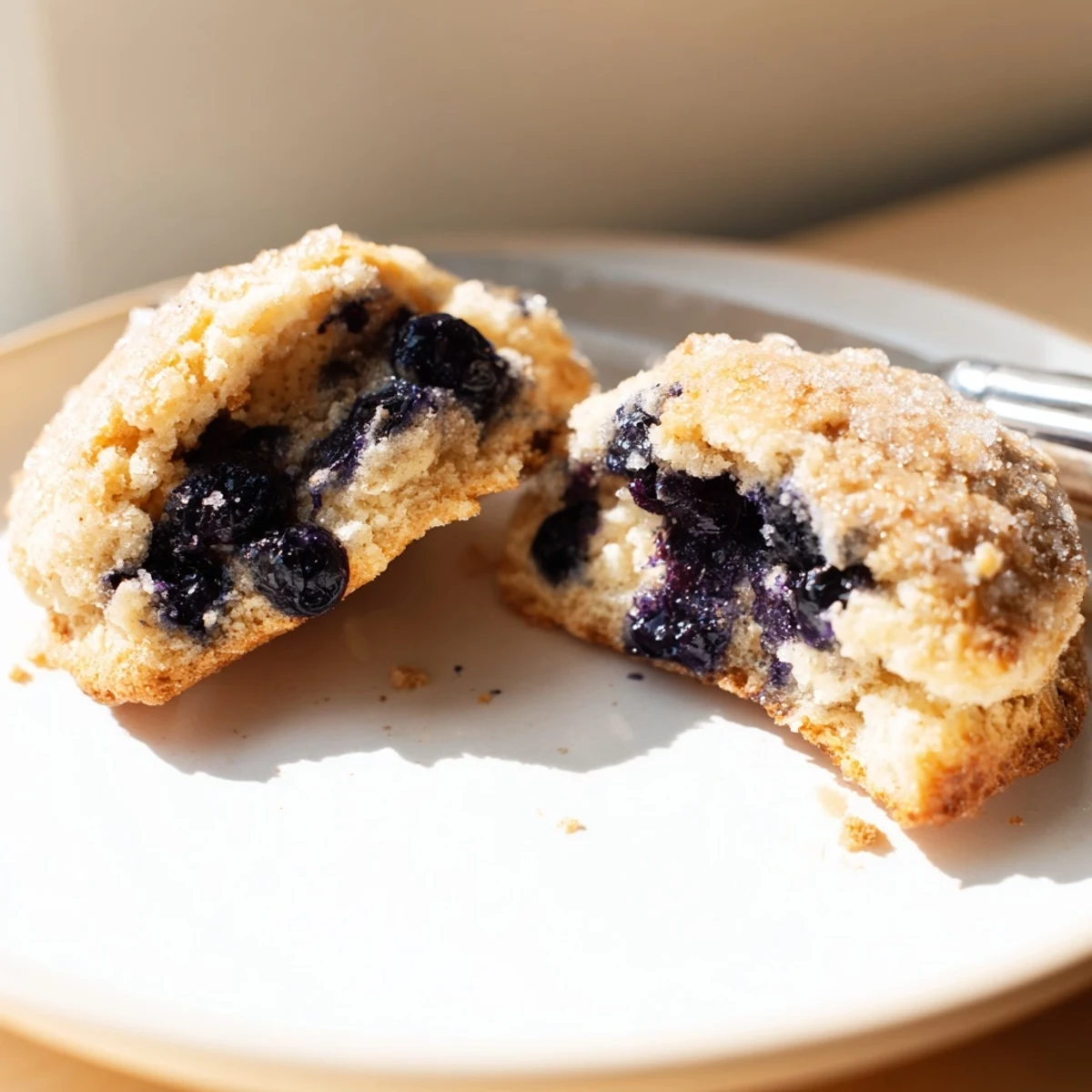
 There's something about pulling a tray of biscuits from the oven that makes everything feel right with the world. I hope these become part of your kitchen story too.
Recipe FAQs
- → Can I use frozen blueberries?
-
Yes, frozen blueberries work well in this dough. Do not thaw them before adding, as this prevents streaking and maintains texture during baking.
- → Why must the butter be cold?
-
Cold butter creates small pockets of steam as it melts, resulting in flaky, tender layers. Room temperature butter blends too thoroughly, making the biscuits dense rather than light.
- → How do I prevent overmixing?
-
Stop mixing as soon as the dough comes together. Overworking develops gluten, making biscuits tough. Gently fold berries until just distributed, and handle dough minimally when patting and cutting.
- → Can I make the dough ahead?
-
Yes, cut biscuits can be frozen raw on a baking sheet, then transferred to a bag. Bake from frozen, adding 2-3 minutes to the time. Do not refrigerate unbaked dough overnight as the leavening loses potency.
- → What's the purpose of coarse sugar topping?
-
Coarse sugar adds a pleasant crunch and subtle sparkle to the tops. It caramelizes slightly during baking, creating a sweet contrast to the tender, buttery crumb beneath.
- → Can I substitute the whole milk?
-
Buttermilk adds tang and tenderness if you prefer. Low-fat milk works but yields slightly less rich biscuits. Non-dairy alternatives may alter texture, so full-fat options give the best results.