
 Pin It
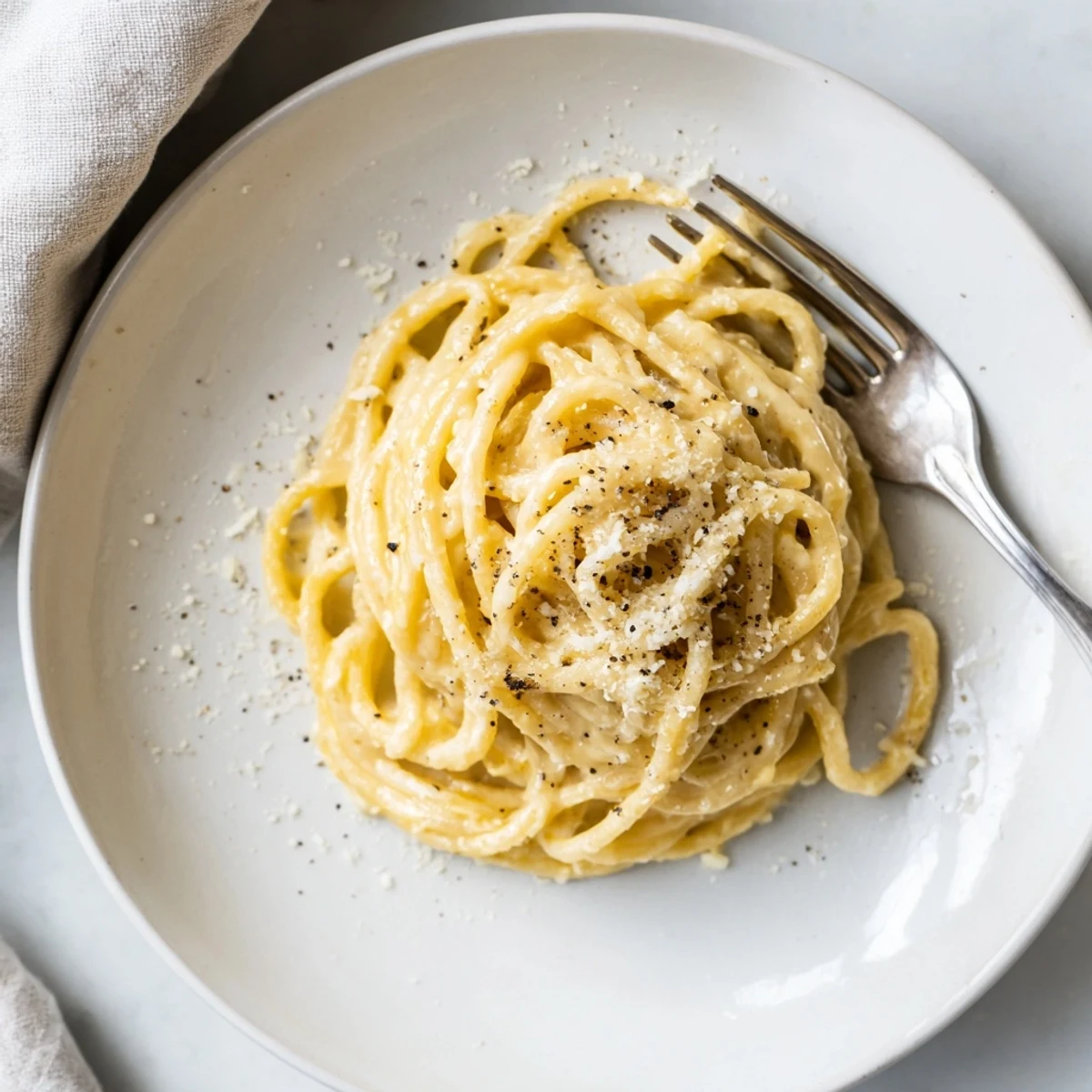
 This beloved Roman dish transforms humble ingredients into something extraordinary. The magic lies in creating an emulsion with starchy pasta water, finely grated Pecorino Romano, and freshly ground black pepper. Toast the pepper first to release its essential oils, then whisk with hot pasta water before combining with the cheese paste. The result is a velvety, peppery sauce that clings beautifully to al dente spaghetti.
The steam rising from my tiny Roman hotel room balcony still drifts through my thoughts whenever black pepper hits a hot pan. I'd ordered cacio e pepe three times during that weeklong stay, convinced each restaurant was hiding a secret ingredient in that impossibly glossy sauce. Turns out the magic wasn't secrecy at all, but patience and a whole lot of freshly cracked pepper.
My first attempt at recreating that Roman magic ended in what I affectionately called peppery cheese soup. The pasta sat submerged in a grainy, separated sauce that tasted divine but looked tragic. Four failed attempts later, I finally understood that the pasta water isn't just cooking liquid, it's the emulsifier that transforms grated cheese into liquid gold.
Ingredients
- 200 g spaghetti or tonnarelli: Long strands catch the sauce best, and tonnarelli's square edges hold onto pepper like nothing else
- 80 g Pecorino Romano, finely grated: This sheep's milk cheese packs enough salt to season the entire dish, so skip adding extra
- 2 tsp freshly ground black pepper: Whole peppercorns cracked moments before hitting the pan make all the difference between warmth and heat
- 1 liter water: Using less water than usual creates a super starchy liquid that's crucial for sauce emulsification
- 1/2 tsp salt: Just enough for the pasta water, since the Pecorino brings its own saltiness
Instructions
- Toast the pepper:
- Add cracked peppercorns to a dry skillet over medium heat, shaking constantly until the scent fills your kitchen and your nose tingles slightly, about one minute.
- Boil your pasta:
- Cook spaghetti in salted water until just shy of al dente, then scoop out one cup of that cloudy, starchy gold before draining.
- Create the base:
- Whisk half a cup of hot pasta water into the toasted pepper and let it bubble gently while you mix the cheese.
- Make the cheese paste:
- Combine grated Pecorino with a few tablespoons of hot pasta water in a bowl, stirring until it becomes a thick, smooth paste.
- Bring it together:
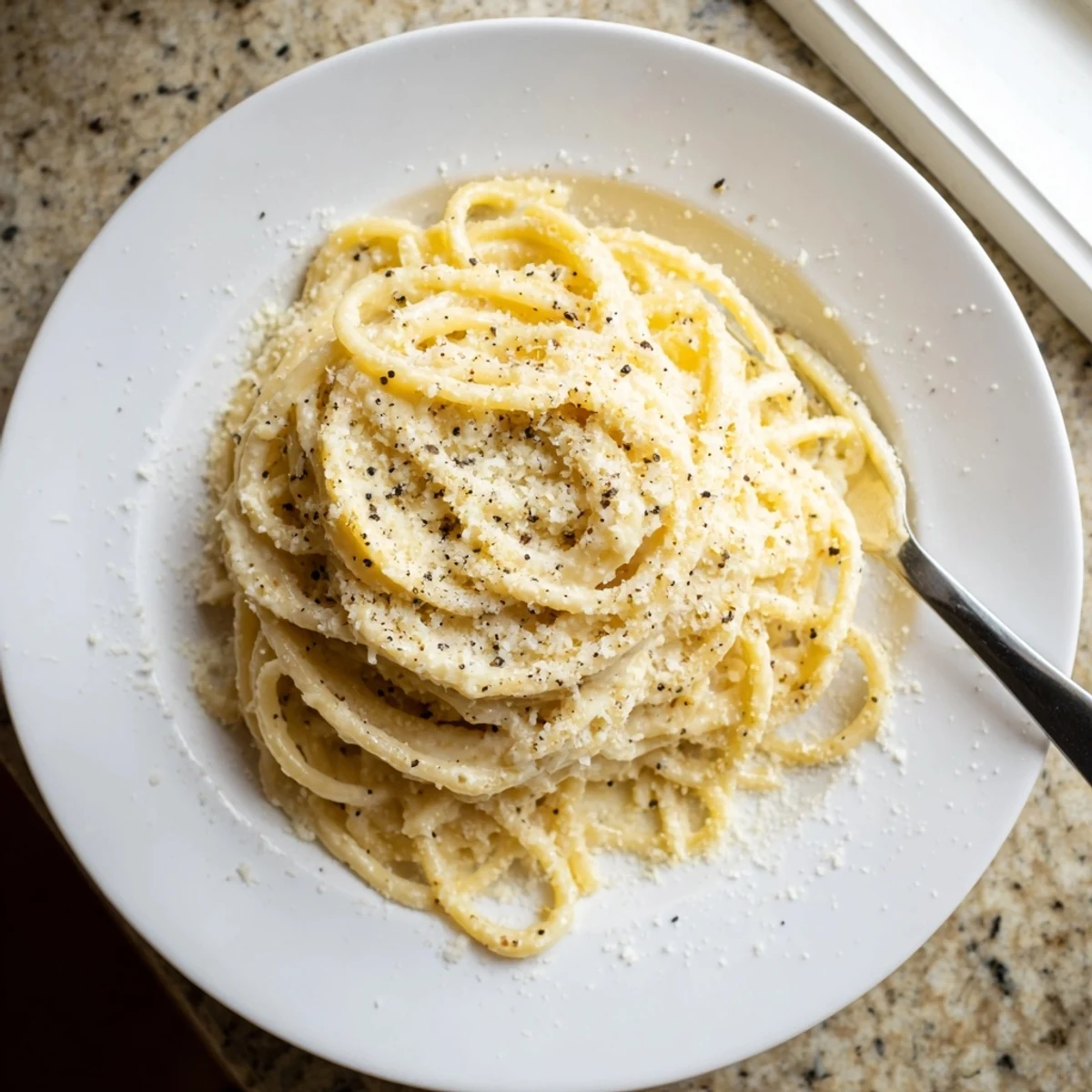
- Toss the drained pasta into the peppered water, then slide in the cheese paste off the heat, tossing furiously as it transforms into a creamy, clinging sauce.
 Pin It
 My sister watched me make this once, eyes widening as the cheese paste hit the hot pasta and transformed into something restaurant-worthy. We ate standing up at the counter, too impatient to bother with plates, twirling long peppery strands and catching the occasional flying drop of sauce on our wrists. Sometimes the simplest dinners become the ones you talk about for years.
The Pasta Water Secret
That cloudy, starchy liquid you drain away is actually liquid gold. The starch molecules grab onto fat droplets from the cheese, creating an emulsion that keeps sauce silky instead of separating. Always reserve more than you think you'll need, because you can't add more once the pasta is plated.
Getting That Restaurant Gloss
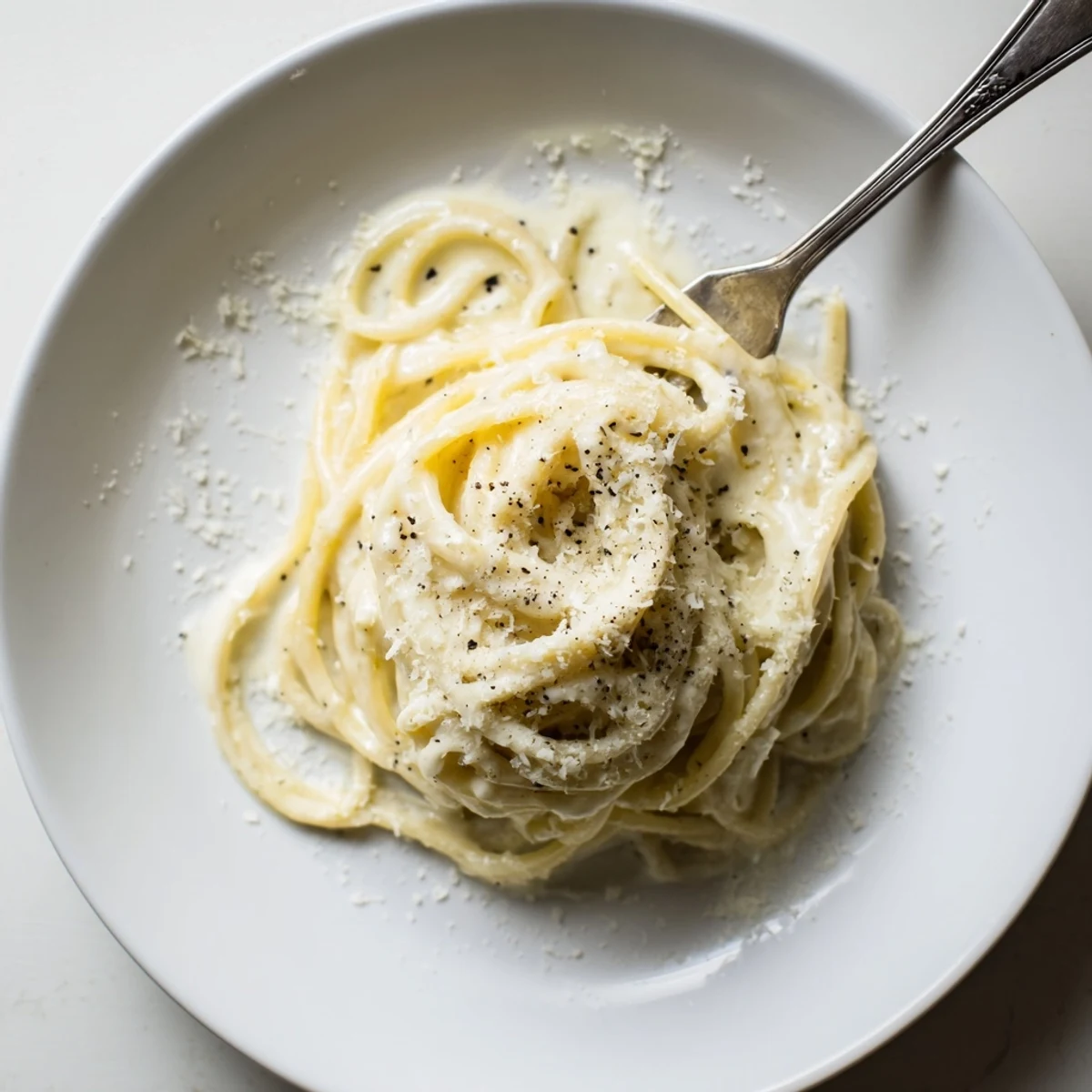
The difference between home pasta and restaurant pasta often comes down to the final toss. Use tongs to lift and drop the pasta repeatedly, coating each strand evenly and incorporating air into the sauce. The movement creates that glossy sheen that makes food photographs look impossibly tempting.
Timing Is Everything
Have everything ready before the pasta hits the water, because the sauce comes together in seconds. Grate your cheese, toast your pepper, set your tongs beside the stove. Once you start tossing, there's no time to hunt for equipment or measuring cups.
- Room temperature cheese melts more smoothly than cold from the fridge
- Your pasta water should be at a rolling boil before adding salt
- The final toss needs to happen in a warmed bowl to keep sauce flowing
 Pin It
 Some nights you need a recipe that reminds you why cooking at home beats any restaurant, even one in Rome. Grab some peppercorns, good cheese, and let your kitchen fill with warmth.
Recipe FAQs
- → What makes authentic Cacio e Pepe?
-
True Roman style uses only Pecorino Romano, black pepper, and pasta water. No butter or cream. The sauce comes from emulsifying the cheese with starchy water while tossing vigorously off the heat.
- → Why did my sauce turn grainy?
-
Graininess happens when cheese overheats. Always remove pasta from heat before adding cheese. Use room-temperature water to create the cheese paste, and toss quickly to prevent separation.
- → Can I substitute Parmesan for Pecorino?
-
While possible, it won't be traditional. Pecorino's sharp, salty profile defines this dish. Parmesan makes it milder and less authentic. For a true Roman experience, stick with aged Pecorino Romano.
- → Why toast the black pepper first?
-
Toasting bloomed pepper in hot water releases essential oils and deepens the flavor. This brief step transforms the pepper from spicy to aromatic, creating the distinctive warmth that makes this dish legendary.
- → What pasta shape works best?
-
Long strands like spaghetti, tonnarelli, or bucatini are traditional. Their surface area helps the silky sauce cling perfectly. Thinner shapes allow the emulsion to coat more evenly for that luxurious mouthfeel.
- → How much pasta water should I save?
-
Reserve about one cup before draining. The starch in this water is crucial for creating the creamy emulsion. Add gradually while tossing to reach your desired silky consistency.