
 Pin It
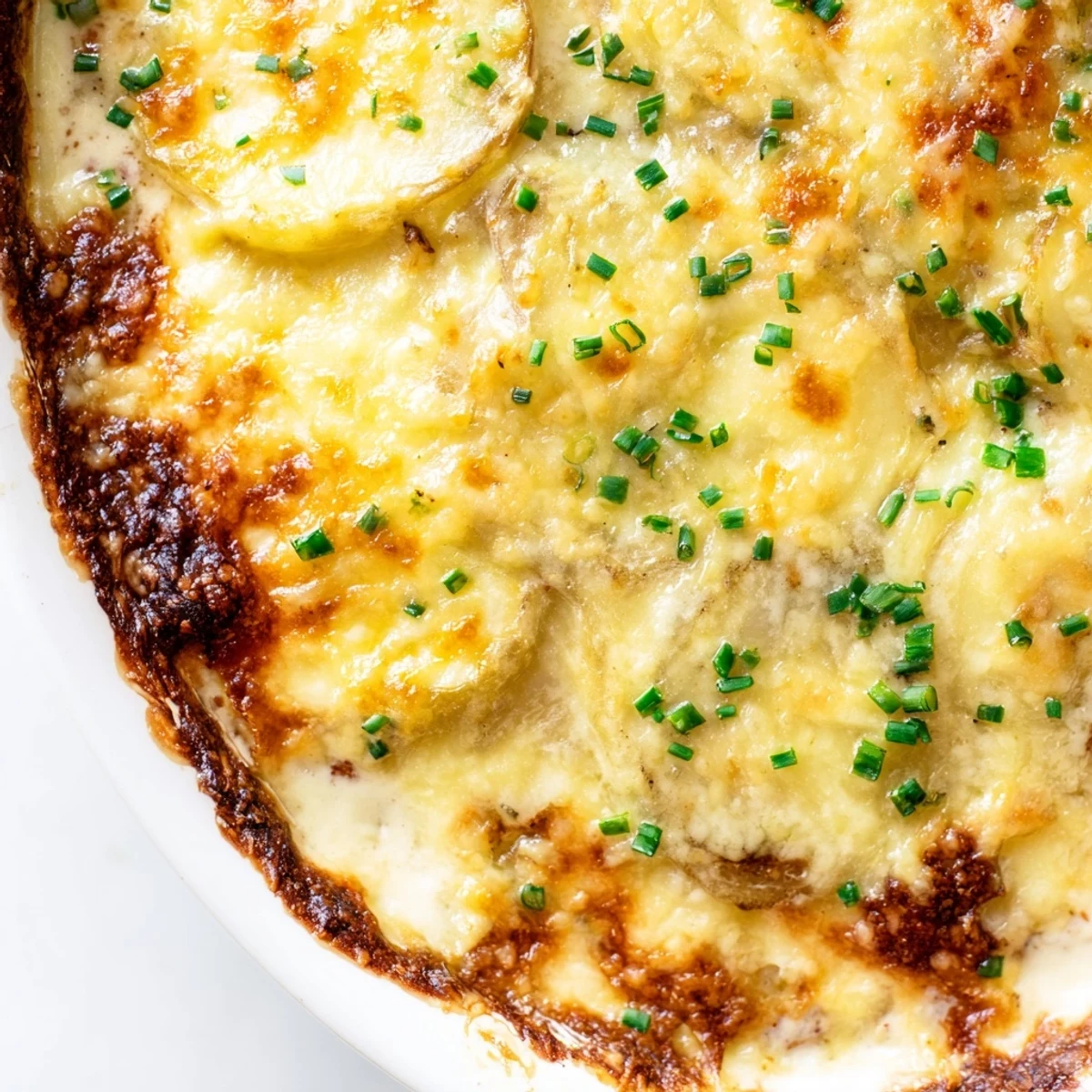
 Layers of thinly sliced Yukon Gold potatoes nestle between generous amounts of grated Gruyère cheese, all bathed in a luxurious cream and milk mixture. After an hour in the oven, the top transforms into a bubbling, golden crust while the potatoes underneath become meltingly tender. This classic French gratin delivers pure comfort with each creamy, savory bite. The nutty Gruyère pairs perfectly with the subtle sweetness of the onions, while fresh nutmeg adds warmth to the rich sauce.
The smell of Gruyère bubbling in the oven still takes me back to my tiny Paris apartment, where I made this on a rainy Tuesday because I needed something that felt like a warm hug. My roommate kept wandering into the kitchen, asking if it was done yet, while we both pretended we weren't practically hovering over the oven door. That night we ate straight from the baking dish with forks, standing up in our pajamas, and agreed this was the kind of food that makes everything better.
I served this at my first proper dinner party, nervously checking the oven every five minutes while my guests pretended not to notice. When I finally pulled it out, that golden crust had everyone leaning in closer, and the moment it hit the table the conversation stopped cold. Someone actually asked for the recipe before they'd even taken a second bite, which I took as the highest compliment possible.
Ingredients
- Yukon Gold potatoes: These hold their shape beautifully while becoming tender in the oven, and their naturally buttery flavor means you dont need to add much else
- Gruyère cheese: This Swiss cheese melts into an incredible creamy sauce and adds that signature nutty depth that makes this dish unforgettable
- Heavy cream and whole milk: The combination creates the perfect velvety texture without becoming overwhelmingly rich
- Garlic clove: Rubbing the dish with garlic imparts a subtle aromatic background note that ties everything together
- Freshly grated nutmeg: Just a pinch adds a warm, earthy complexity that people notice but cant quite identify
Instructions
- Prepare your baking vessel:
- Preheat your oven to 190°C (375°F) and rub a large baking dish thoroughly with the cut side of your garlic clove, then coat it with 1 tablespoon of butter—this aromatic base makes every bite better
- Build the first layer:
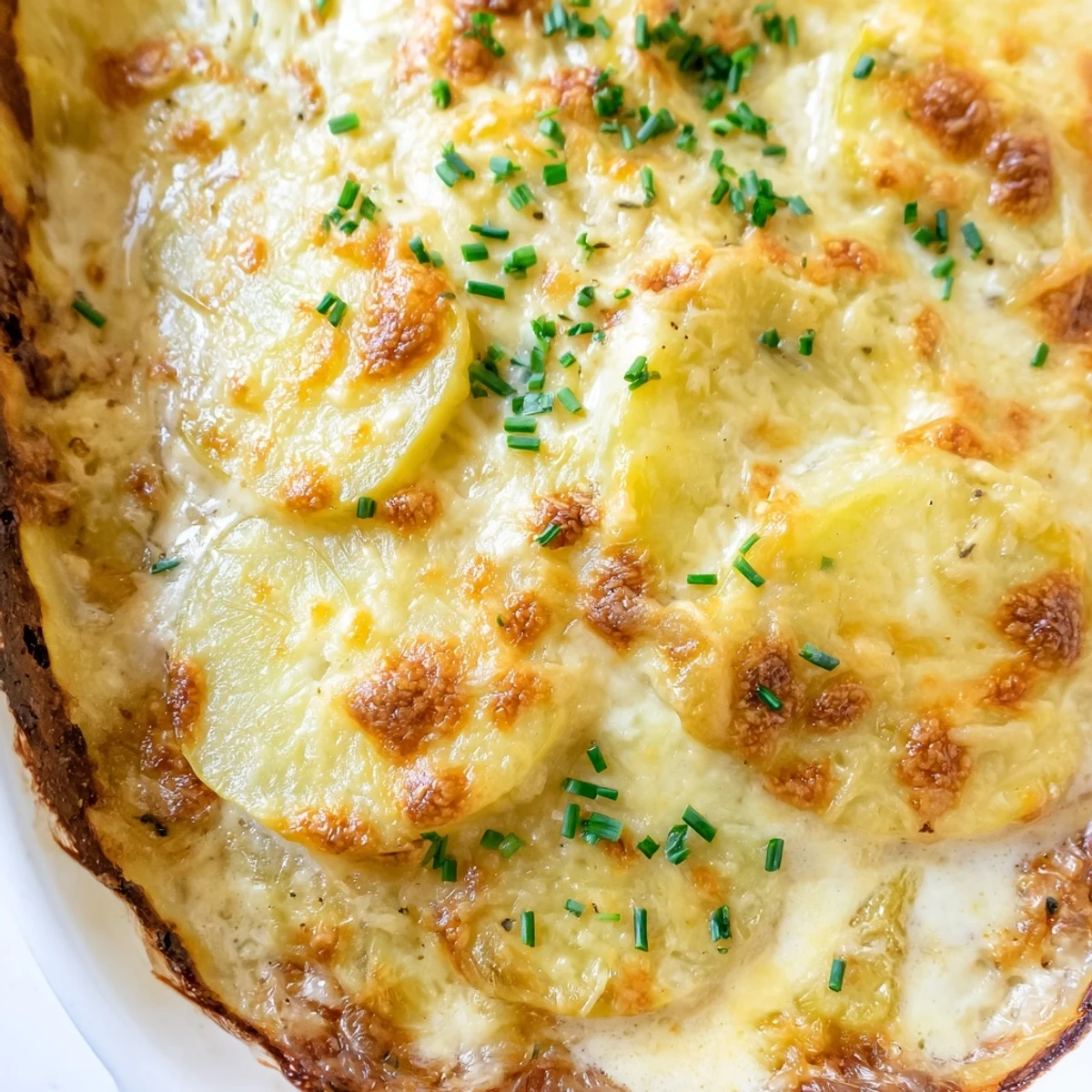
- Arrange half your sliced potatoes in overlapping rows, which helps them cook evenly and creates that beautiful presentation when you serve it
- Add flavor between layers:
- Sprinkle half your onions (if using) and season with salt, pepper, and nutmeg, then add half your Gruyère—this ensures every layer gets its fair share of flavor
- Repeat the layers:
- Layer the remaining potatoes, onions, seasoning, and cheese, making sure to end with cheese on top for that golden crust everyone loves
- Create the creamy sauce:
- Gently heat your cream and milk in a saucepan until just steaming, then pour it evenly over the potatoes—this hot liquid jump-starts the cooking process
- Bake to perfection:
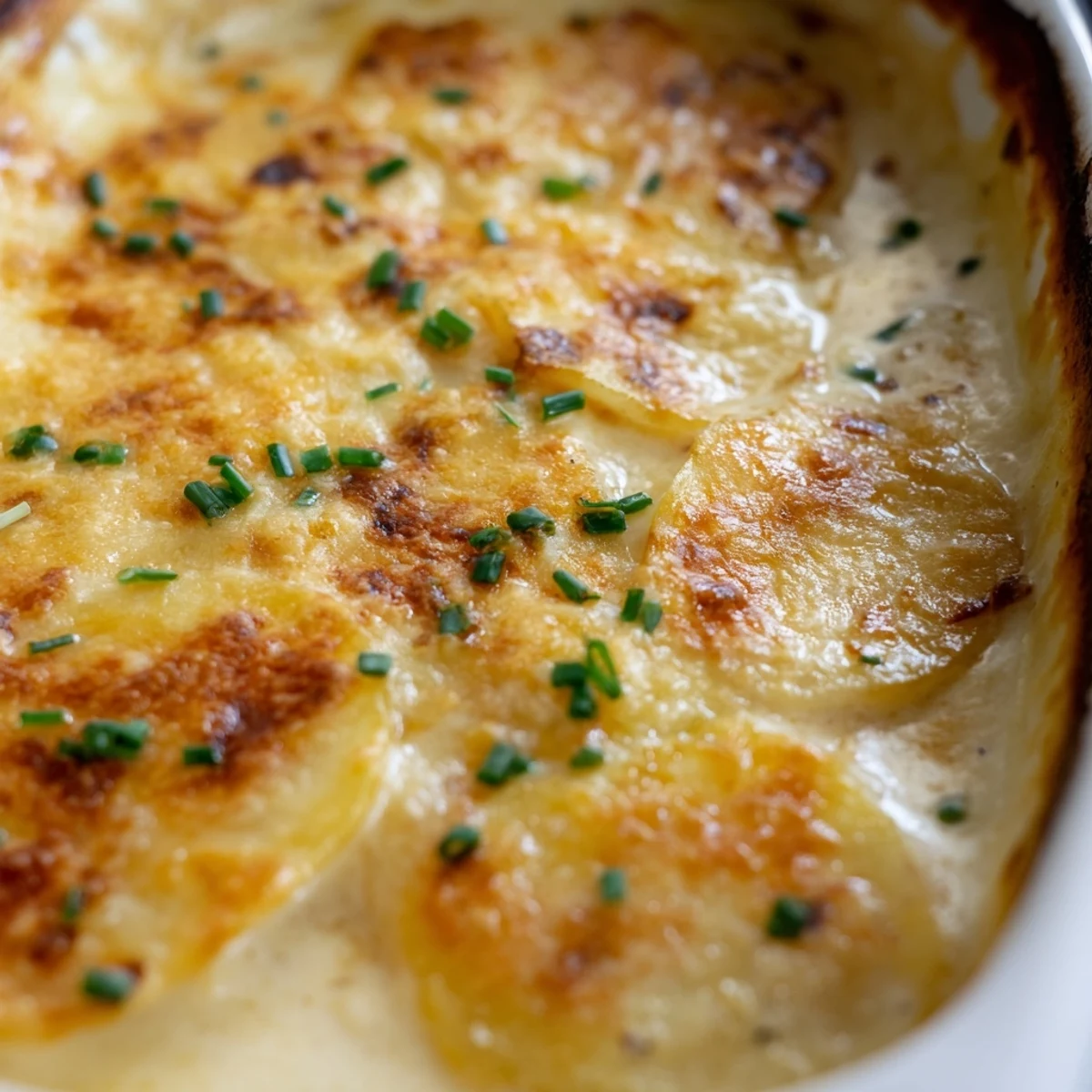
- Cover with foil and bake for 40 minutes, then uncover and bake for 20 more minutes until the top is bubbling and deeply golden
- Let it rest:
- Allow the dish to sit for 10 minutes before serving, which seems impossible but helps the sauce set slightly so it doesnt run all over the plate
 Pin It
 This became my go-to dish for potlucks after my friend's wedding, when the bride specifically requested it for her post-wedding brunch instead of traditional fare. Seeing people line up for seconds, some hovering around the serving area just to be closer to the dish, taught me that simple comfort food often wins over elaborate showstoppers.
The Art of Layering
The way you arrange the potatoes matters more than you might think. Overlapping them slightly creates those elegant visible layers that make this dish look like it came from a French bistro. I've found that organizing them in neat rows rather than randomly scattering them makes for easier serving too—each spoonful gets the perfect ratio of potato to cheese to sauce.
Cheese Selection Secrets
While Gruyère is traditional and absolutely worth seeking out, I've discovered that aging changes everything. Young Gruyère melts more readily into that creamy sauce we want, while aged versions can separate slightly. The key is buying a block and grating it yourself—pre-shredded cheese is coated with anti-caking agents that prevent that gorgeous melt we're after.
Make-Ahead Magic
You can assemble this entire dish up to 24 hours in advance, keeping it covered in the refrigerator until you're ready to bake. Just add an extra 10-15 minutes to the covered baking time if it's cold from the fridge. I've also frozen unbaked gratins successfully—just thaw completely before baking and expect slightly more liquid as it reheats.
- Use the baked leftover potatoes in a breakfast hash the next morning
- Individual portions reheat beautifully at 350°F for about 15 minutes
- The cream sauce prevents the potatoes from drying out in the freezer better than you'd expect
 Pin It
 There's something deeply satisfying about serving a dish that looks so impressive but relies on such humble ingredients. Every time I make this, I'm reminded that the best comfort food doesn't need to be complicated.
Recipe FAQs
- → What type of potato works best?
-
Yukon Gold potatoes are ideal because they hold their shape during baking while becoming creamy. Their naturally buttery flavor complements the Gruyère beautifully.
- → Can I make this ahead?
-
Yes, assemble the entire dish up to 24 hours in advance, cover tightly, and refrigerate. Bake when ready, adding 10-15 extra minutes if baking from cold.
- → What cheese substitutes work?
-
Emmental provides a similar melt and nutty flavor. Sharp white cheddar offers a bolder taste. Avoid pre-shredded cheese which contains anti-caking agents.
- → Why should I let it rest?
-
Resting for 10 minutes allows the sauce to thicken and set slightly, making cleaner serving easier. The layers hold together better when slightly cooled.
- → How thin should I slice potatoes?
-
Aim for 1/8-inch thickness. A mandoline ensures even slices, which promotes uniform cooking. Thin slices become tender while maintaining structure.