
 Pin It
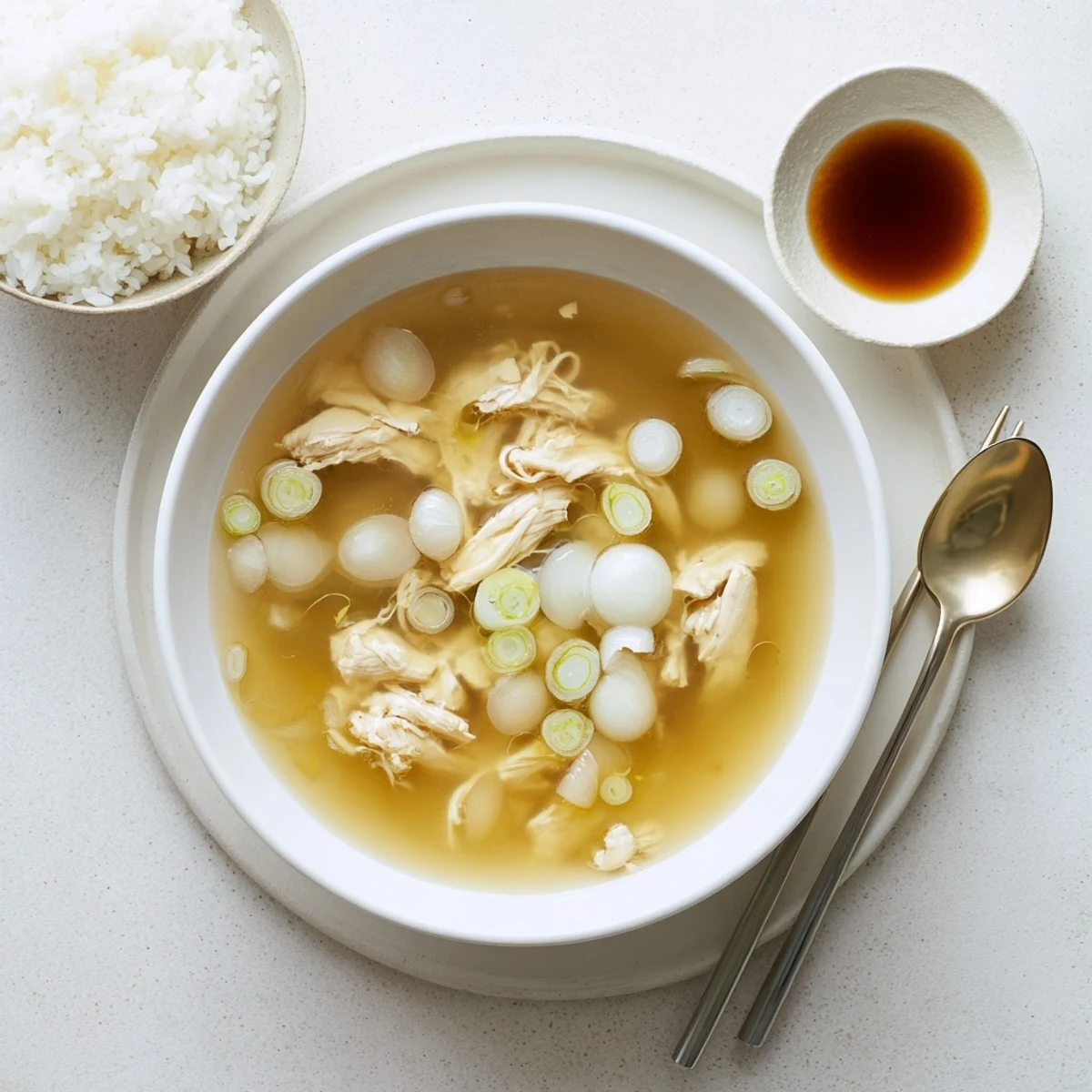
 Dakgomtang offers a soothing, restorative Korean soup experience that centers around slowly simmered whole chicken creating a crystal-clear, deeply flavorful broth. This traditional comfort food brings together humble ingredients like aromatic garlic, fresh ginger, and sweet green onions to create something greater than the sum of its parts.
The process involves boiling a cleaned whole chicken with vegetables until the meat falls off the bone, then straining for clarity and returning shredded chicken to the purified broth. A final simmer allows flavors to meld while a tangy dipping sauce of soy, vinegar, and sesame oil provides a bright counterpoint to the gentle soup.
Perfect for cold weather, convalescence, or whenever soul-warming nourishment is needed, this dish represents Korean comfort at its finest—uncomplicated, satisfying, and deeply rooted in home cooking traditions.
It was a rainy Tuesday evening when my Korean neighbor invited me over for what she called 'medicine soup.' I was nursing a stubborn cold, skeptical that broth could fix anything, but one spoonful of that clear, golden liquid changed everything. The gentle heat, the tender chicken, the way it seemed to wrap around me like a blanket—I asked for the recipe before I even finished the bowl.
Last winter, my sister came home exhausted from a new job that was eating her alive. I made a giant pot of this, and we sat at the kitchen table until midnight, dipping chicken into that tangy sauce and talking about everything and nothing. Now whenever she texts me that shes overwhelmed, I know exactly what to put on the stove.
Ingredients
- Whole chicken: I learned the hard way that buying a slightly larger bird means more meat and richer flavor, so dont be afraid to go up to 4 pounds if you're feeding a crowd
- Garlic cloves: Ten might seem like overkill, but they mellow beautifully into something sweet and savory, not sharp
- Ginger: A fresh piece adds this gentle warmth that lingers at the back of your throat
- Daikon radish: Totally optional, but I keep it in because it adds a subtle sweetness that balances everything perfectly
- Soy sauce and rice vinegar: This combination for the dipping sauce is what turns simple soup into something youll think about for days
Instructions
- Start the broth:
- Rinse that chicken thoroughly under cold water, then place it in your largest pot and cover with 12 cups of cold water. Add the onion halves, all those garlic cloves, sliced ginger, two whole green onions, and daikon if you're using it. Bring everything to a boil over medium-high heat, and use a spoon to skim off any foam that rises to the top—this keeps your broth crystal clear.
- Simmer slowly:
- Once boiling, reduce the heat to low and partially cover the pot. Let it simmer gently for an hour, checking occasionally to make sure its not bubbling too aggressively. You want a slow, steady simmer that coaxes every bit of flavor from the chicken and vegetables.
- Strain and shred:
- Carefully remove the chicken and set it aside to cool until you can handle it. Strain the broth through a fine mesh sieve, discarding all the boiled vegetables and aromatics. Return the clear broth to the pot and keep it warm while you shred the chicken meat into bite-sized pieces, discarding the skin and bones.
- Combine and season:
- Add the shredded chicken back into the broth, then season with 1 to 1½ teaspoons of salt and the black pepper. Let it simmer gently for another 10 minutes so everything gets friendly. While thats happening, whisk together the soy sauce, rice vinegar, sesame oil, sesame seeds, the remaining sliced green onion, and a pinch of chili flakes for the dipping sauce.
- Serve it up:
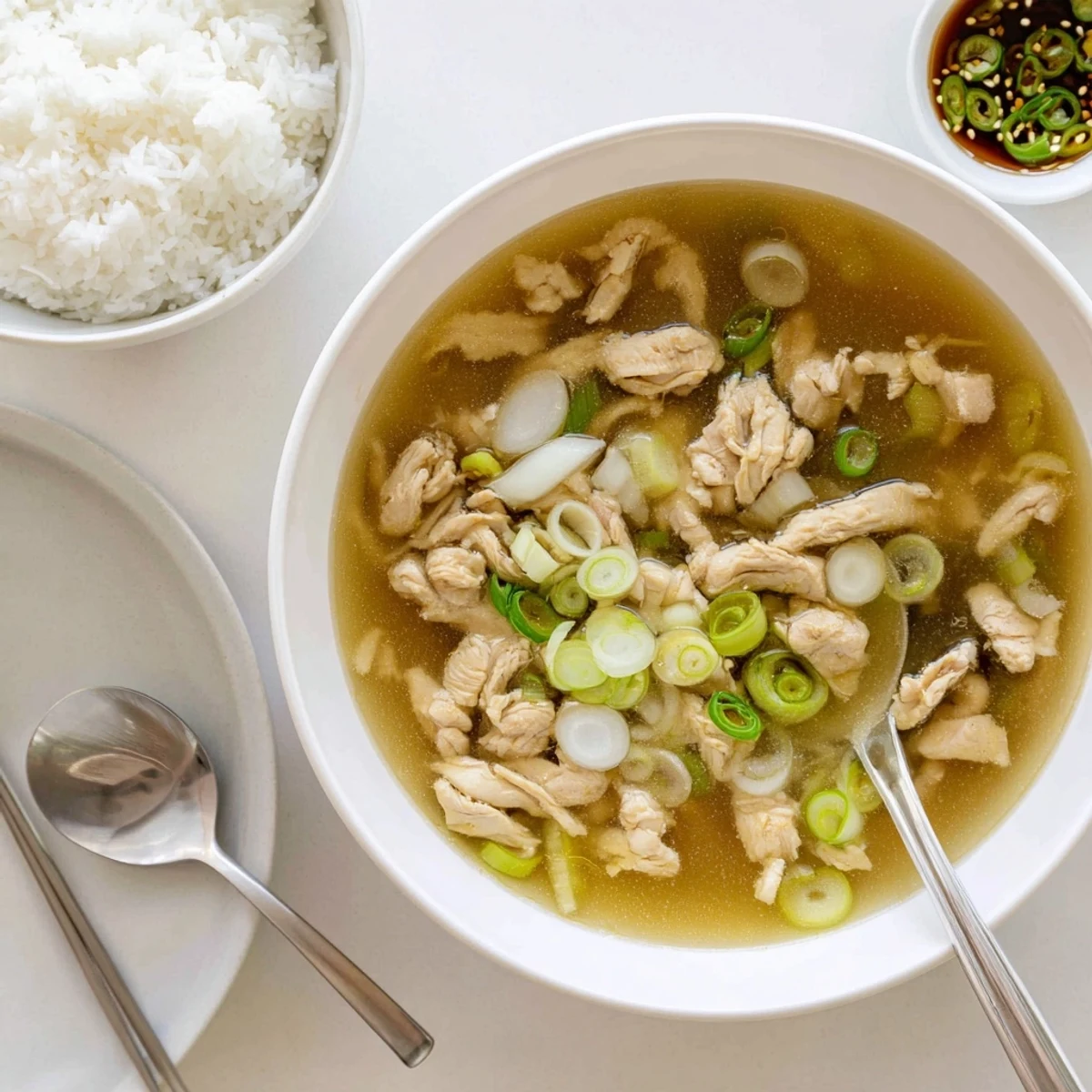
- Ladle hot soup into bowls and scatter the sliced green onions on top. Pass that dipping sauce on the side, and watch people dip their chicken before each bite like theyve been doing it their whole lives.
 Pin It
 This soup has become my default offering for anyone sick, sad, or stressed. Last month my friend came over after a breakup, and she took one sip and started crying—not from sadness, but because it tasted like something her grandmother used to make. Food memory is powerful that way.
Making It Your Own
Ive added glass noodles during the last five minutes of cooking when I need something more substantial, and they soak up that broth beautifully. Sometimes I throw in sliced mushrooms, usually shiitake, just because I always have them in the fridge and they add this earthy depth.
Timing Is Everything
If you have the time, simmer that chicken for up to two hours instead of one. The broth becomes richer, the meat falls apart easier, and your whole house will smell like comfort. Just keep an eye on the water level and add more if it reduces too much.
Serving Suggestions
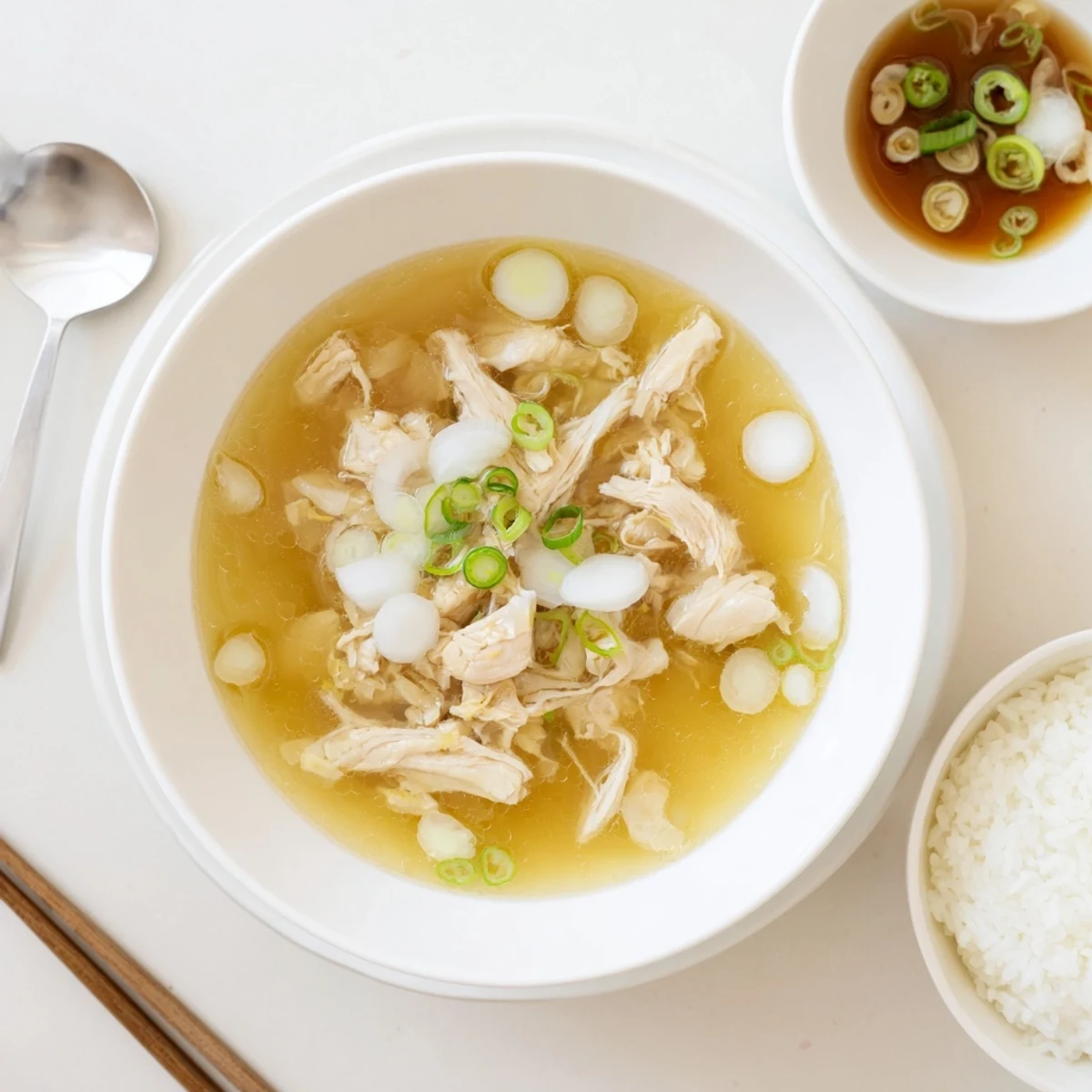
Always serve this with steamed white rice in separate bowls—its traditional, and people love mixing it directly into their soup. I also put out extra sliced green onions and a small dish of coarse salt for anyone who wants to adjust seasoning at the table.
- The soup tastes even better the next day, so dont stress about leftovers
- If reheating, add a splash of water because the broth thickens up in the fridge
- Freeze portions in individual containers for emergency sick-day meals
 Pin It
 Theres something profoundly honest about this soup—its just chicken and aromatics, no complicated techniques, yet it manages to be more than the sum of its parts. I hope it brings you the same comfort its brought me.
Recipe FAQs
- → What makes Dakgomtang different from other chicken soups?
-
Dakgomtang distinguishes itself through a clear, strained broth and the traditional Korean method of boiling a whole chicken with aromatics like garlic, ginger, and green onions. The soup is typically served with a tangy dipping sauce on the side, allowing diners to season each bite according to taste.
- → Can I use chicken pieces instead of a whole chicken?
-
While traditional Dakgomtang calls for a whole chicken, you can substitute with bone-in chicken pieces like thighs, breasts, or drumsticks. Bone-in pieces work best as they contribute essential gelatin and depth to the broth. Adjust cooking time accordingly—pieces typically require 30-45 minutes of simmering.
- → How long should I simmer the chicken for the best results?
-
Simmer the whole chicken for at least 1 hour, though extending to 2 hours yields an even richer, more flavorful broth. The meat should easily shred from the bone, indicating it's fully cooked and tender. Longer simmering extracts more collagen, creating a silkier mouthfeel in the finished soup.
- → What can I serve alongside Dakgomtang?
-
Steamed white rice is the classic accompaniment, creating a balanced meal when spooned into the soup. Korean side dishes like kimchi, pickled vegetables, or a simple salad complement the mild flavors. Some also add glass noodles or mushrooms directly to the soup for additional texture.
- → Is Dakgomtang suitable for special diets?
-
Yes, Dakgomtang is naturally gluten-free and dairy-free, making it suitable for many dietary restrictions. The soup provides high protein with relatively low carbohydrates. For strict gluten-free diets, ensure your soy sauce for the dipping sauce is specifically labeled gluten-free, as traditional soy sauce contains wheat.
- → Can I make Dakgomtang in advance?
-
Dakgomtang tastes even better the next day as flavors have time to develop. Prepare the soup completely, cool, and refrigerate for up to 3 days. The broth may gel when cold—this is natural from the collagen and indicates a well-made stock. Reheat gently, adding a splash of water if the soup has reduced too much.