
 Pin It
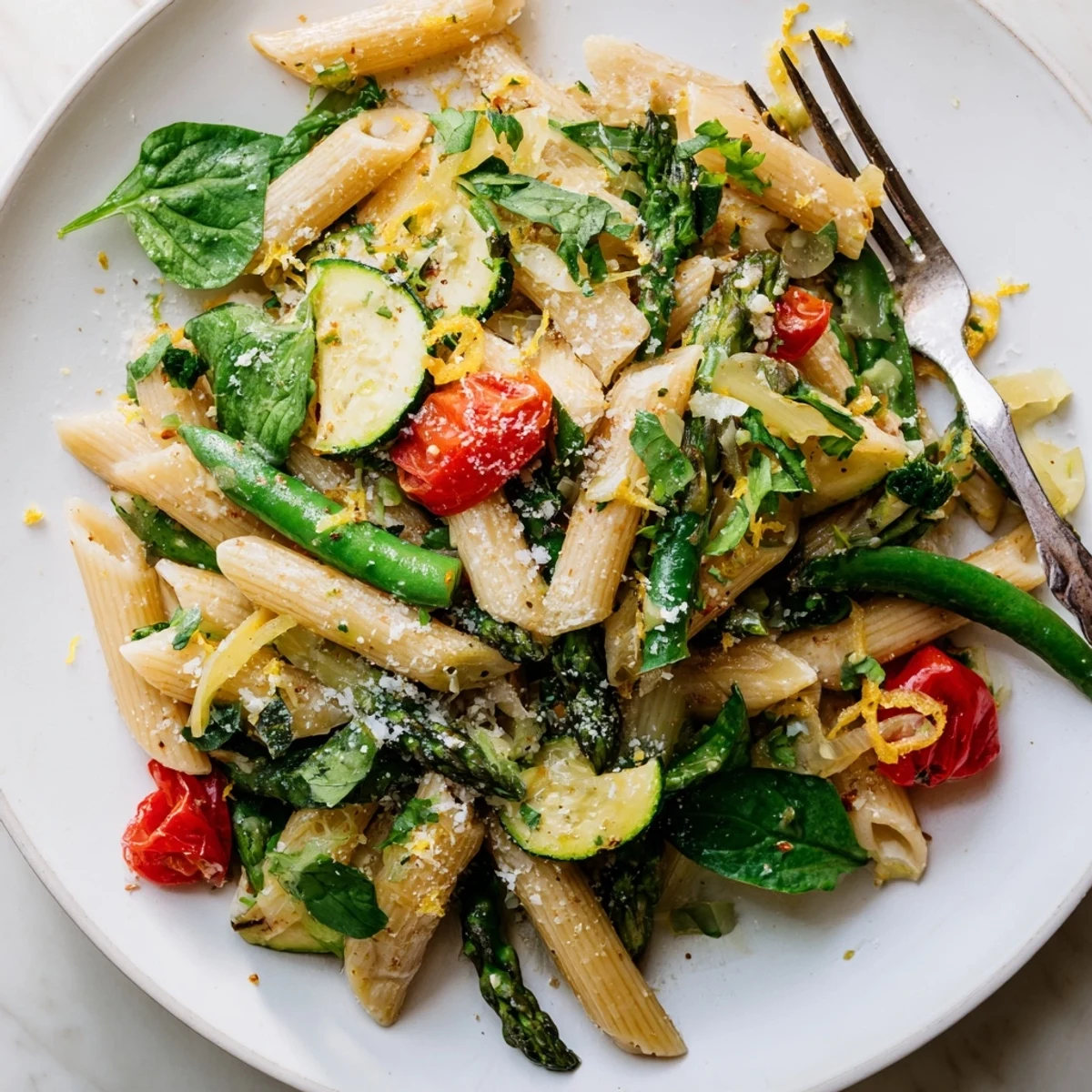
 This one-pot pasta brings together the best of spring vegetables in a single skillet for effortless preparation. The pasta cooks directly in vegetable broth, absorbing all the flavors while creating a naturally creamy sauce. Fresh asparagus, sugar snap peas, zucchini, spinach, and cherry tomatoes add vibrant color and crunch, while leeks and garlic build a savory base. A finish of lemon zest, juice, and Parmesan brightens everything. The entire dish comes together in just 35 minutes with only one pan to clean, making it perfect for busy weeknights when you want something fresh and satisfying without the fuss.
The windows were open and a cool breeze was drifting through my kitchen when I first threw together this one pot pasta. I had just come back from the farmers market with armfuls of spring vegetables and absolutely zero energy for washing multiple pans. Everything went into one Dutch oven, and thirty minutes later, I was sitting at my counter wondering why I had ever bothered with the traditional boil and drain method.
Last April, my sister came over for dinner and watched skeptically as I dumped raw pasta directly into the simmering broth. She is someone who measures everything and follows techniques strictly, so this method seemed wrong to her. But when she took her first bite, she actually went silent for a moment and then asked for seconds. The vegetables cook right alongside the pasta, releasing their own flavors into the liquid as everything bubbles away together.
Ingredients
- 340 g penne or fusilli pasta: Short pasta shapes work best here because they cook evenly and have plenty of surface area to absorb that flavorful broth as it simmers down
- 1 liter low sodium vegetable broth: Using low sodium is crucial because the liquid reduces significantly and would become unpleasantly salty otherwise
- 250 ml water: This extra liquid helps ensure the pasta has enough moisture to cook through completely
- 1 cup asparagus cut into pieces: Cut them into bite sized lengths so they cook evenly alongside the pasta
- 1 cup sugar snap peas trimmed: These add a wonderful sweet crunch that contrasts beautifully with the tender pasta
- 1 cup zucchini halved and sliced: Zucchini releases moisture as it cooks, adding even more flavor to the broth
- 1 cup baby spinach: Added at the very end so it just wilts without becoming mushy
- 1 cup cherry tomatoes halved: They burst slightly in the heat and release their juices into the final dish
- 1 small leek sliced: Leeks have a milder, sweeter flavor than onions and become meltingly tender
- 2 cloves garlic minced: Sautéed briefly at the start to build a foundational flavor base
- 2 tbsp olive oil: For cooking the aromatics and adding a bit of richness to the finished dish
- 1 tsp lemon zest: Brightens all the spring vegetables and makes the flavors pop
- 2 tbsp lemon juice: Adds just the right amount of acidity to balance the starchy pasta
- 1/4 cup grated Parmesan: Stirred in at the end for creaminess and umami depth
- Salt and black pepper: Season to taste at the end since the broth contributes salt as it reduces
- 2 tbsp chopped fresh basil or parsley: Sprinkle over the top for a fresh, herbal finish that brightens the whole bowl
Instructions
- Sauté the aromatics:
- Heat olive oil in a large deep skillet or Dutch oven over medium heat, add the sliced leek and minced garlic, and cook until softened and fragrant, about 2 minutes. The kitchen should start smelling wonderful right about now.
- Start the pasta:
- Add the pasta, vegetable broth, and water to the pot, bring everything to a boil while stirring once to prevent sticking, then reduce heat to a gentle simmer. Let it cook, stirring occasionally, for 8 minutes as the pasta begins to absorb the flavorful liquid.
- Add the first vegetables:
- Toss in the asparagus, sugar snap peas, and zucchini, then continue cooking and stirring for another 7 minutes until the pasta is tender and most of the liquid has been absorbed into a silky sauce that coats everything.
- Finish with delicate vegetables:
- Stir in the spinach, cherry tomatoes, lemon zest, lemon juice, and grated Parmesan, cooking for just 2 more minutes until the spinach wilts and the tomatoes warm through. The sauce should be creamy and coating each piece of pasta.
- Season and serve:
- Taste and add salt and pepper as needed, then remove from heat and sprinkle generously with fresh herbs and extra Parmesan. Serve while steaming hot, maybe with additional lemon wedges on the table for those who love extra brightness.
 Pin It
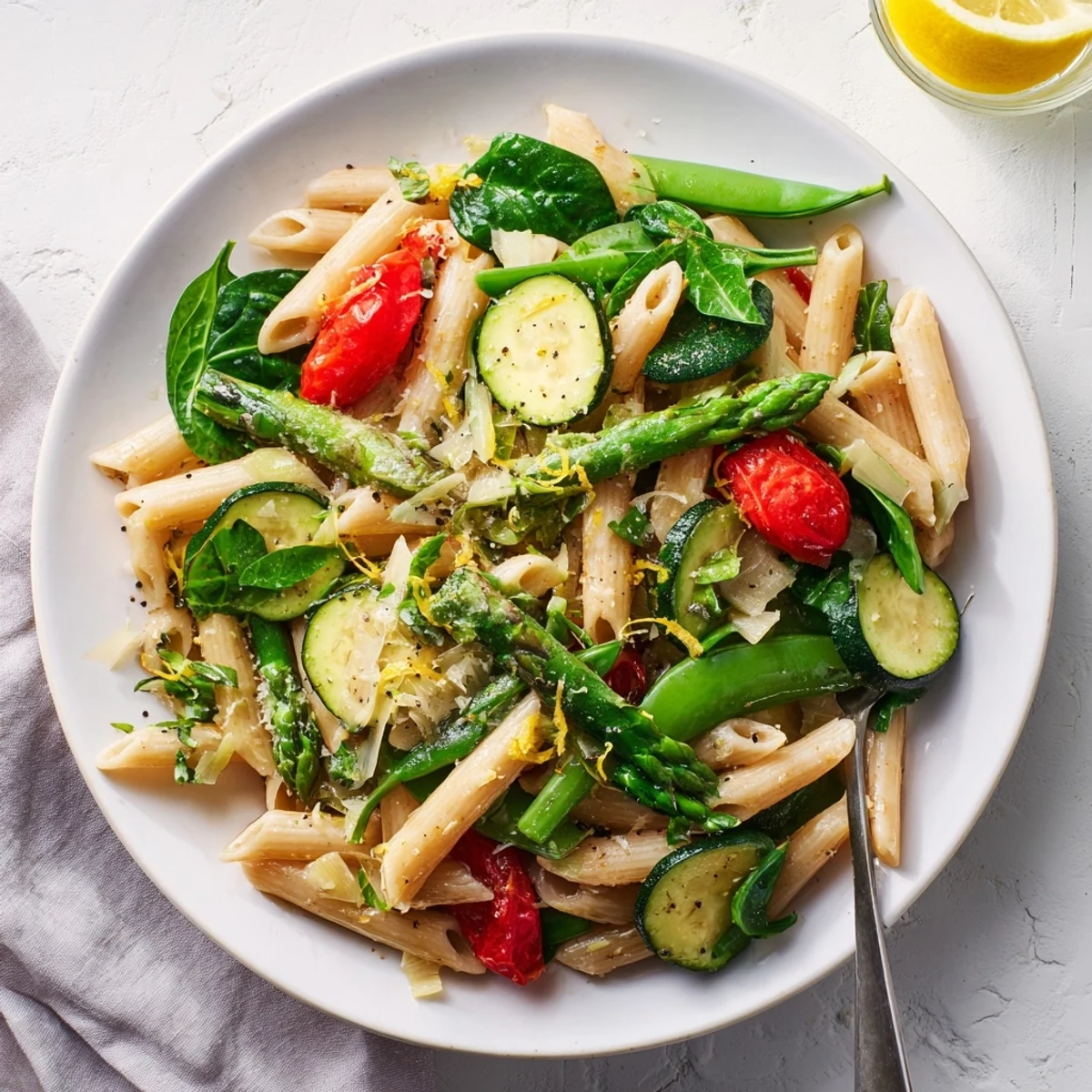
 This pasta became my go to for spring dinner parties because it looks impressive but comes together so effortlessly. I have served it to friends who claim they do not like vegetables, and they still went back for second helpings. Something about cooking everything together creates a harmony that feels greater than the sum of its parts.
Choosing Your Spring Vegetables
The beauty of this recipe is how adaptable it is to whatever looks fresh at the market. I have made it with fava beans when I could find them, English peas when they appeared in season, and even green beans when I wanted something more substantial. The cooking times vary slightly depending on what you use, but the method stays exactly the same.
Making It Vegan
When my vegan friend comes over, I simply skip the Parmesan and finish the pasta with a drizzle of really good olive oil and a handful of nutritional yeast instead. The pasta still creams up beautifully from the starch released into the broth, and the lemon provides plenty of brightness. Nobody at the table has ever missed the cheese.
Pairing and Serving
A crisp white wine like Sauvignon Blanc cuts through the starch and highlights the spring vegetables perfectly. If you want to make this more substantial, serve it alongside a simple green salad dressed with vinaigrette. For a slightly heartier meal, some crusty bread for soaking up the extra sauce never hurts.
- Chili flakes sprinkled on top add warmth that plays nicely against the sweet vegetables
- Extra lemon wedges at the table let everyone adjust the brightness to their taste
- Leftovers reheat beautifully with just a splash of water to loosen the sauce
 Pin It
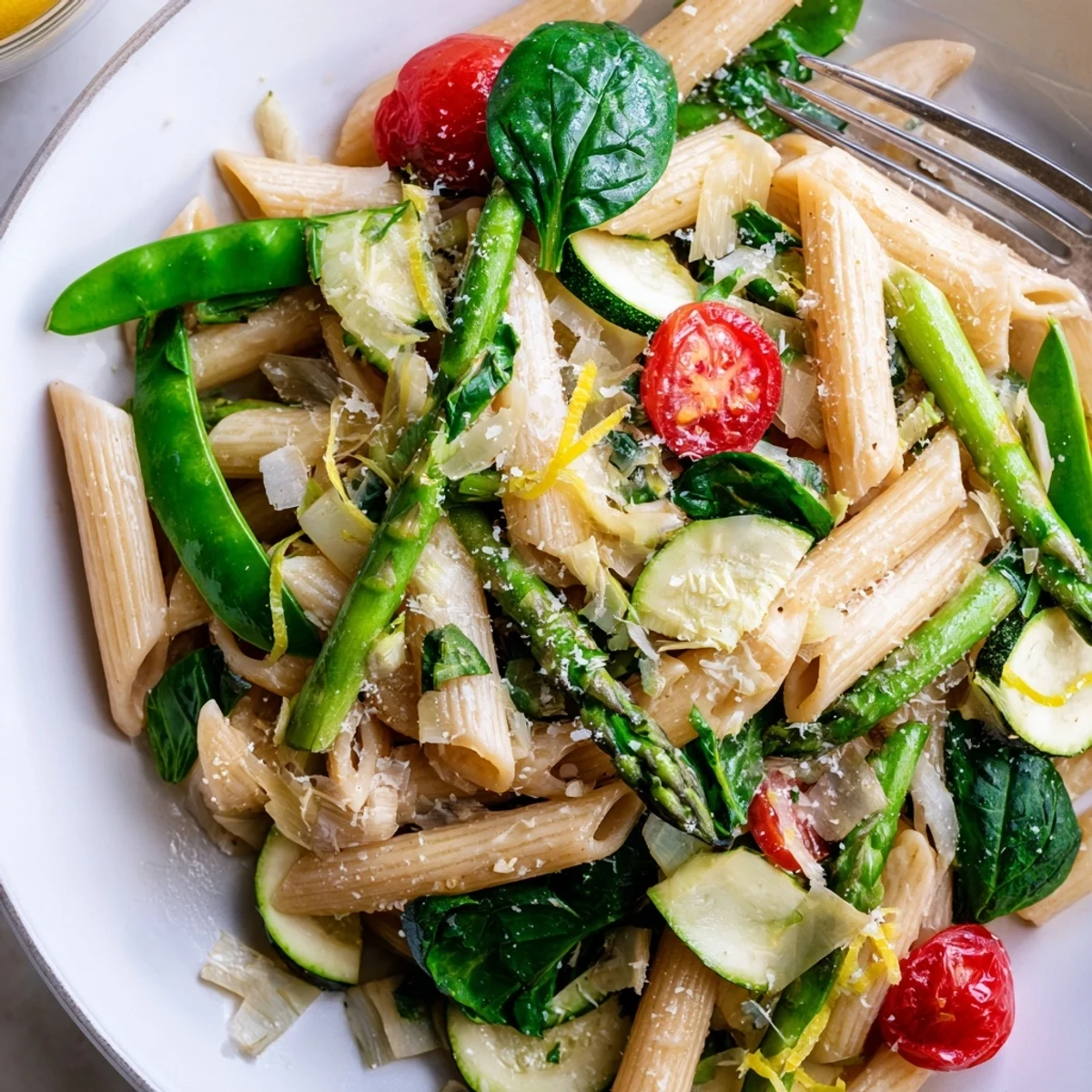
 There is something deeply satisfying about a meal that comes together in a single pot but still tastes like it took hours to plan. That is the magic of spring cooking, simple ingredients treated with care and respect.
Recipe FAQs
- → Can I make this dish gluten-free?
-
Yes, simply substitute the regular pasta with your favorite gluten-free pasta. Cooking times may vary slightly, so check the package instructions and adjust liquid absorption accordingly.
- → What other vegetables work well in this one-pot pasta?
-
Fava beans, green beans, peas, or even artichoke hearts make excellent additions. The method is versatile—just add vegetables that cook in roughly the same timeframe as the pasta.
- → Can I use a different type of pasta?
-
Short pasta shapes like penne, fusilli, rotini, or farfalle work best as they hold up well during the one-pot cooking method. Longer strands may become difficult to stir evenly.
- → How do I store and reheat leftovers?
-
Store in an airtight container in the refrigerator for up to 3 days. Reheat gently with a splash of water or broth to loosen the sauce, as the pasta will continue to absorb liquid.
- → Can I make this vegan?
-
Absolutely—simply omit the Parmesan cheese or use a plant-based alternative. Nutritional yeast can also add a savory, cheesy flavor while keeping it entirely plant-based.
- → Why cook pasta directly in the broth?
-
Cooking pasta in broth allows the starches to release into the liquid, creating a naturally thickened, flavorful sauce that coats each piece. It infuses the pasta with taste throughout rather than just on the surface.