
 Pin It
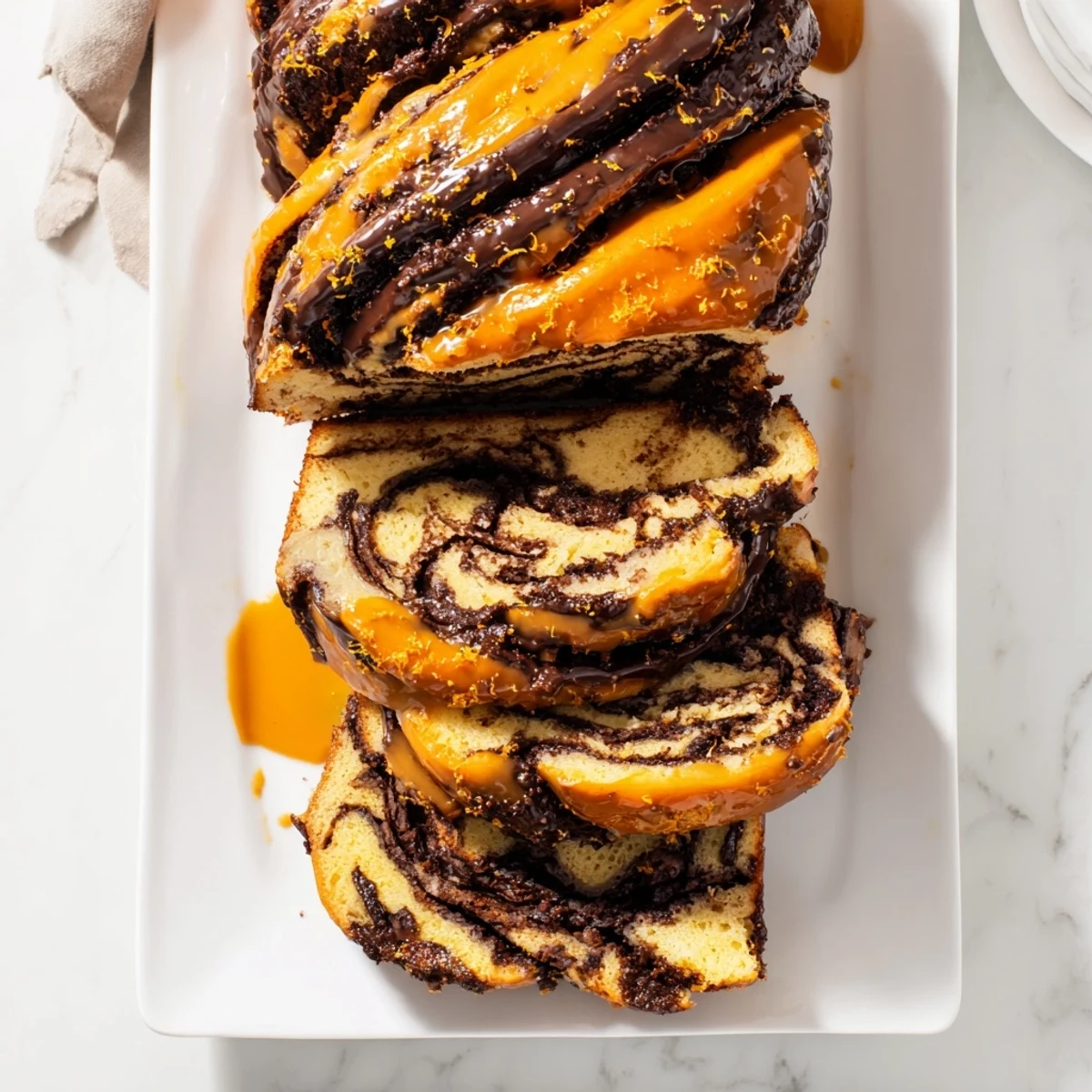
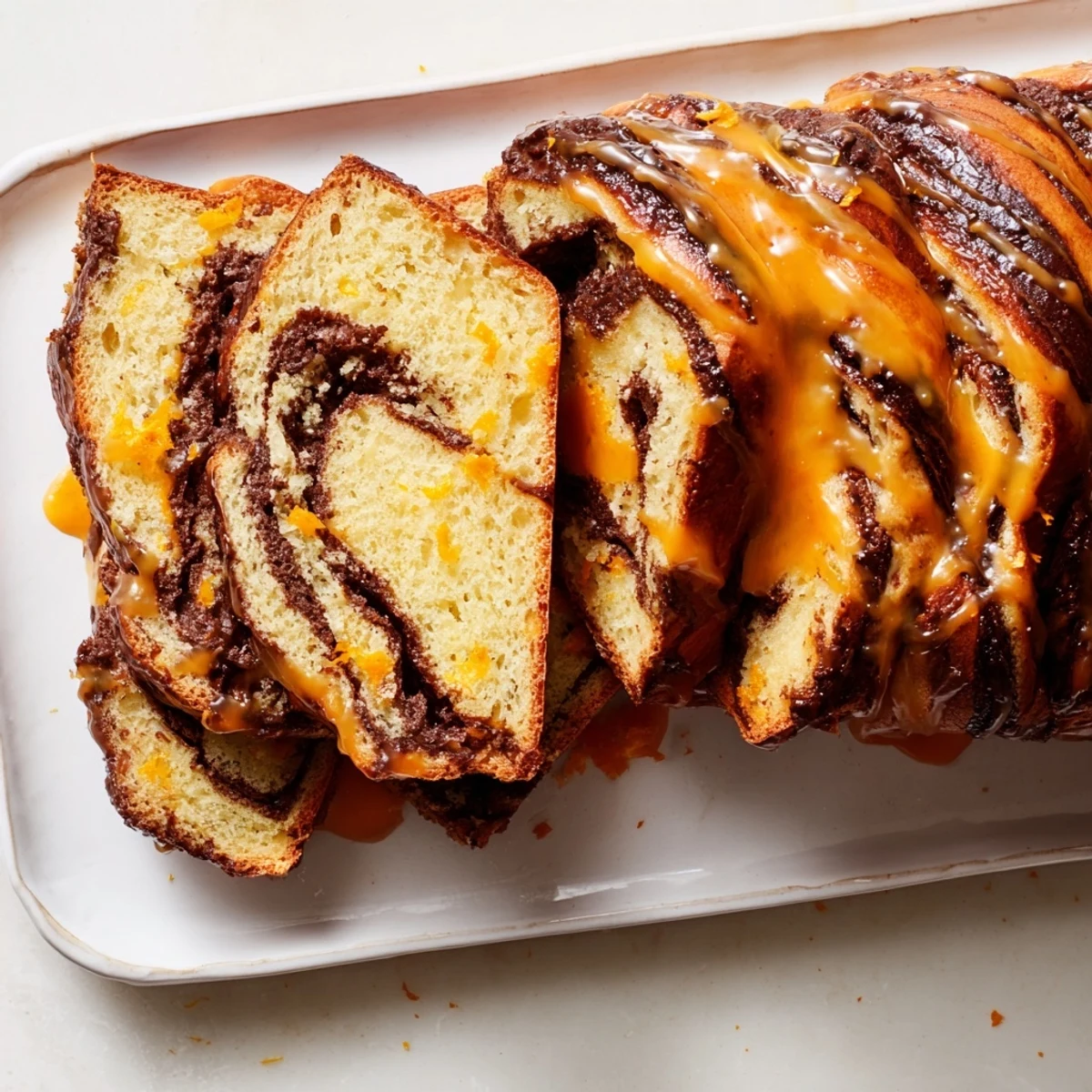
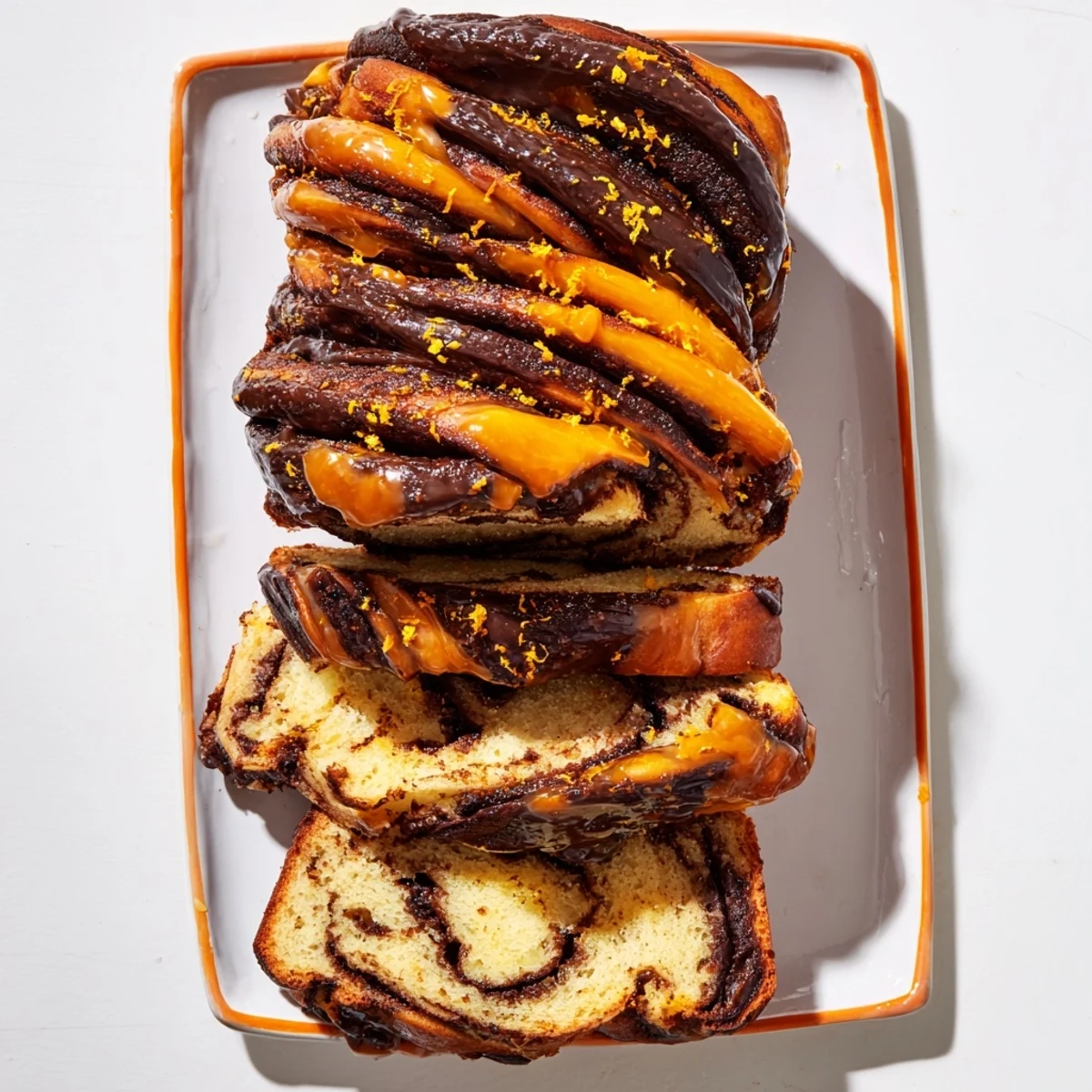
 This stunning Eastern European bread combines tender, buttery brioche dough with a decadent dark chocolate filling swirled throughout. The dough requires patience as it rises to perfection, creating pillowy layers that envelope the rich chocolate-orange mixture. Baked until golden, the finished babka receives a generous drizzle of fresh orange glaze that adds brightness and beautiful shine.
Perfect for special brunches or elegant dessert presentations, this impressive loaf delivers bakery-quality results at home. The combination of bittersweet chocolate and aromatic orange creates sophisticated flavor balance, while the twisted appearance makes for gorgeous slices that reveal beautiful chocolate marbling.
The smell of orange zest hitting warm chocolate stopped me mid sentence one Sunday morning, and I knew right then this babka would become a permanent fixture in my kitchen.
My neighbor walked in while I was drizzling the glaze and stood silently watching, fork already in hand, before I even offered a slice.
Ingredients
- 3 1/2 cups (440g) all-purpose flour: Gives the dough enough structure without making it tough, and sifted flour yields an even more tender crumb.
- 1/4 cup (50g) granulated sugar: Just enough sweetness in the dough to complement the rich filling without competing with it.
- 2 1/4 tsp instant dry yeast: One packet is perfect and eliminates the need to proof separately.
- 3/4 cup (180ml) whole milk, lukewarm: Test it on your wrist like a babys bottle, warm but not hot, to keep the yeast happy.
- 2 large eggs, room temperature: Cold eggs slow down the rise, so pull them out at least thirty minutes ahead.
- 1 tsp vanilla extract: Adds a quiet background note that ties the chocolate and orange together.
- 1/2 tsp salt: Do not skip this, it balances every sweet element and deepens the chocolate flavor.
- 1/2 cup (115g) unsalted butter, softened: Added gradually to build that signature brioche richness strand by strand.
- 6 oz (170g) dark chocolate, chopped: Chopping your own melts more evenly than chips and gives you control over the intensity.
- 1/3 cup (75g) unsalted butter (filling): Creates that luscious spreadable texture that locks the swirl in place.
- 1/3 cup (40g) powdered sugar: Sweetens the filling while keeping it smooth rather than gritty.
- 1/4 cup (25g) unsweetened cocoa powder: Intensifies the chocolate without adding extra sweetness or moisture.
- Zest of 1 orange (filling): This is the secret weapon that makes people close their eyes on the first bite.
- 3/4 cup (90g) powdered sugar (glaze): The base for that beautiful glossy finish everyone reaches for.
- 2 to 3 tbsp fresh orange juice: Fresh squeezed only, bottled juice tastes flat and lifeless here.
- 1/2 tsp orange zest (glaze): A final fragrant punch that makes the whole loaf shimmer.
Instructions
- Build the Dough:
- Combine the flour, sugar, and yeast in your mixer bowl, then pour in the lukewarm milk, eggs, vanilla, and salt. Mix until everything comes together into a shaggy, slightly sticky mass that clings to the hook.
- Knead in the Butter:
- With the mixer running on low, drop in the softened butter one tablespoon at a time, waiting until each piece is mostly absorbed. Knead for eight to ten minutes until the dough is silky, pulls away from the bowl sides, and springs back when poked.
- First Rise:
- Transfer the dough to a greased bowl, cover it with a damp towel or plastic wrap, and tuck it somewhere warm and draft free. Let it double in size, which usually takes about an hour and a half depending on your kitchen.
- Make the Chocolate Filling:
- Melt the chopped chocolate and butter together over simmering water or in short microwave bursts, stirring between each. Whisk in the powdered sugar, cocoa powder, and orange zest until glossy, then let it cool slightly so it spreads without running everywhere.
- Roll and Fill:
- Punch down the risen dough and roll it out on a floured surface into a sixteen by twelve inch rectangle. Spread the chocolate filling evenly, leaving a half inch border on all sides so nothing oozes out.
- Twist and Shape:
- Roll the dough tightly from the long side into a log, then slice it straight down the middle lengthwise with a sharp knife. Twist the two halves around each other with the cut sides facing up, then gently nestle the braid into a greased nine by five inch loaf pan.
- Second Rise:
- Cover the pan loosely and let the babka puff up for forty five to sixty minutes until it crowns above the rim. Press it gently with a fingertip and if the dent springs back slowly, it is ready.
- Bake:
- Preheat your oven to 350 degrees Fahrenheit and bake for forty to forty five minutes until the top is deeply golden and a skewer inserted in the center comes out clean. If the top browns too fast, lay a piece of foil over it for the last ten minutes.
- Glaze and Finish:
- Whisk the powdered sugar, orange juice, and zest until perfectly smooth and pourable. Let the babka cool in the pan for ten minutes, then turn it onto a rack and drizzle the glaze generously while the loaf is still warm so it melts into every crevice.
 Pin It
 The first time I pulled this from the oven, my teenager appeared from the other room wordlessly, drawn entirely by the scent, and that is when I knew this recipe had real power.
Getting the Glaze Right
The glaze should coat the back of a spoon like heavy cream, thick enough to cling but thin enough to drift down the sides on its own. Add orange juice one teaspoon at a time until you hit that sweet spot.
Timing the Rise in Real Life
My kitchen runs cold in winter, so I turn the oven on for one minute, shut it off, and place the covered dough inside where the residual warmth creates the perfect rising environment.
Serving and Storing Your Babka
This loaf is best enjoyed the day it is made but stays wonderfully moist wrapped tightly at room temperature for up to three days.
- Toast leftover slices under the broiler for thirty seconds to revive the chocolate swirl.
- Freeze individual slices wrapped in foil for up to a month and thaw at room temperature.
- Always reapply a thin brush of extra glaze once fully cooled if you want that bakery level shine.
 Pin It
 Some recipes earn their place in your rotation, but this one earns its place in your stories. Hand someone a slice still slightly warm from the glaze and watch the afternoon slow down.
Recipe FAQs
- → What makes babka different from regular bread?
-
Babka is a sweet, enriched bread made with substantial butter and eggs, creating tender brioche-like texture. It's rolled with sweet fillings and twisted before baking, creating beautiful swirled patterns throughout each slice.
- → Can I prepare the dough ahead of time?
-
Absolutely. After the first rise, punch down the dough and refrigerate overnight in a covered bowl. Let it come to room temperature for 30 minutes before rolling and filling. The flavors often develop beautifully with this overnight rest.
- → Why is my babka dough so sticky?
-
Enriched doughs with high butter and egg content naturally feel tacky. Resist adding too much extra flour—this creates tough bread. Lightly flour your work surface and hands when handling. The dough becomes more manageable after chilling.
- → Can I use milk chocolate instead of dark?
-
Yes, though the filling will be noticeably sweeter. Dark chocolate provides pleasant bitterness that balances the sweet dough and tangy glaze. If using milk chocolate, consider reducing the powdered sugar in the filling slightly.
- → How do I know when babka is fully baked?
-
The top should be deep golden brown, and an instant-read thermometer inserted into the center (avoiding the chocolate swirl) should register 190-200°F. The bread should feel firm and spring back when gently pressed.
- → Can I freeze babka?
-
Babka freezes exceptionally well. Wrap cooled, unglazed babka tightly in plastic wrap and foil for up to 3 months. Thaw overnight at room temperature, then refresh in a 350°F oven for 10 minutes before adding the glaze.