
 Pin It
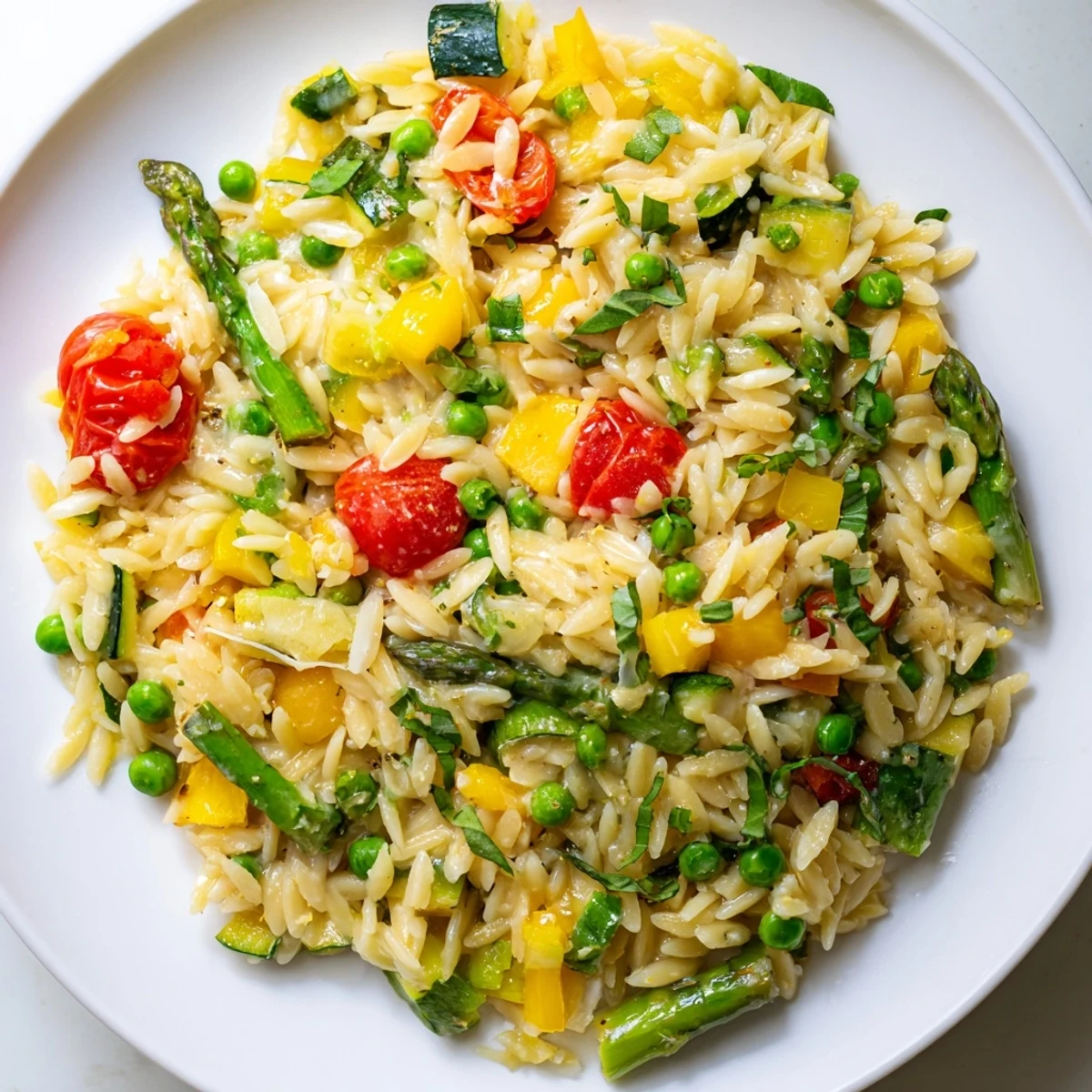
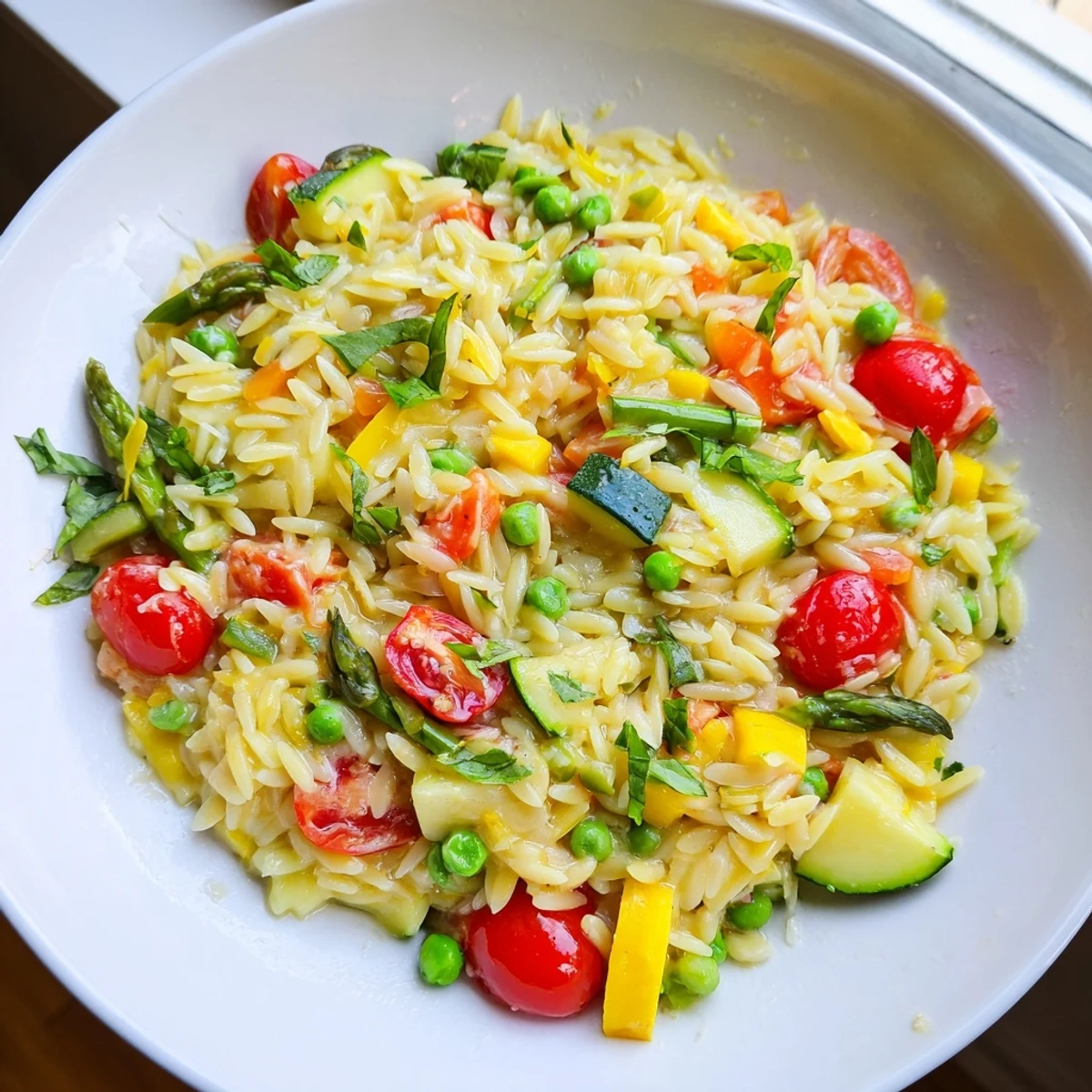
 This Italian-inspired orzo primavera combines tender rice-shaped pasta with a colorful medley of spring vegetables including zucchini, cherry tomatoes, bell pepper, asparagus, and sweet peas. The dish comes together in just 35 minutes, making it perfect for weeknight dinners or casual entertaining.
The light sauce features olive oil, garlic, fresh lemon zest and juice, plus grated Parmesan for richness. A splash of reserved pasta water creates a silky coating that clings beautifully to each piece of orzo. Fresh basil and parsley add bright herbal notes, while salt and pepper balance the flavors perfectly.
This versatile vegetarian main serves four and pairs wonderfully with crisp white wine like Pinot Grigio. You can easily customize it by adding grilled chicken or shrimp for extra protein, or substitute nutritional yeast for a vegan variation.
The first time I made orzo primavera, I was trying to use up a random assortment of vegetables from my CSA box and a half-empty bag of rice-shaped pasta I'd bought on impulse. My roommate wandered in, drawn by the smell of garlic and lemon, and asked if we were having something fancy for dinner. We ended up eating straight from the skillet, standing over the stove, because neither of us wanted to wait to portion it out onto actual plates.
Last spring, my sister came over feeling completely drained from work weeks that seemed to blur together. I put together this primavera with asparagus I'd picked up that morning and tiny cherry tomatoes from the farmers market. She took one bite, closed her eyes, and said this was exactly the kind of food that makes you remember why cooking matters.
Ingredients
- 250 g orzo pasta: This rice-shaped pasta has more surface area than regular pasta, which means it grabs onto sauce and vegetables beautifully
- 1.5 L water: Generously salt your cooking water since orzo needs that seasoning from the inside out
- 1 small zucchini, diced: Choose firm, small zucchini for better texture and fewer watery seeds
- 1 cup cherry tomatoes, halved: These burst slightly during cooking, creating little pockets of sweetness throughout the dish
- 1 yellow bell pepper, diced: Adds crunch and a bright pop of color that makes everything feel more cheerful
- 1 cup asparagus, cut into 2 cm pieces: Look for spears with tight tips and snap off the woody ends before cutting
- 1 cup fresh or frozen peas: Even frozen peas work wonderfully here, adding sweetness and vibrant green color
- 2 tbsp olive oil: Use a good quality extra virgin olive oil since it's one of the main flavor carriers
- 3 cloves garlic, minced: Fresh garlic is non-negotiable here, the jarred stuff lacks that fragrant punch
- 1/2 cup grated Parmesan cheese: Finely grated cheese melts into the sauce better than shreds do
- Zest of 1 lemon: The essential oils in the zest brighten everything without making the dish sour
- 2 tbsp fresh lemon juice: Add this right at the end to preserve the bright, fresh flavor
- 2 tbsp chopped fresh basil: Tear the basil by hand instead of chopping to avoid bruising the leaves
- 2 tbsp chopped fresh parsley: Flat-leaf parsley has more flavor than the curly variety
Instructions
- Cook the orzo to perfect tenderness:
- Bring the water and 1 tsp salt to a rolling boil in a large pot, then add the orzo and cook according to package directions until al dente. Drain and set aside, making sure to reserve exactly 1/2 cup of the starchy cooking water before you pour off the rest.
- Build your aromatic foundation:
- Heat olive oil in a large skillet over medium heat and add the minced garlic, sautéing for just 1 minute until it becomes fragrant and lightly golden. Watch carefully since garlic can turn bitter quickly if it browns too much.
- Sauté the vegetables until crisp-tender:
- Add zucchini, cherry tomatoes, bell pepper, asparagus, and peas to the skillet, cooking for 4 to 5 minutes until the vegetables are just tender but still have a pleasant crunch. The tomatoes should start to blister and release some of their juices.
- Combine everything into a creamy dish:
- Add the drained orzo to the skillet with the vegetables, then stir in the reserved pasta water, Parmesan, lemon zest, and lemon juice. Toss everything vigorously until the cheese melts and the pasta water creates a silky sauce that coats each piece of orzo.
- Finish with fresh herbs and seasoning:
- Season with salt and black pepper to taste, then remove from heat and gently fold in the basil and parsley. The residual heat will wilt the herbs slightly and release their aromatic oils.
 Pin It
 This recipe has become my go-to when friends drop by unexpectedly because it looks impressive but comes together in the time it takes to open a bottle of wine. Last month, my neighbor across the hall caught the scent through our open windows and showed up with a baguette, claiming she smelled something that demanded to be shared.
Making It Your Own
Ive learned that this dish works beautifully with whatever vegetables you have on hand, though I try to keep the color mix vibrant. Sometimes I add fresh corn kernels in summer or small cubes of butternut squash in fall, adjusting cooking times accordingly.
Getting The Texture Right
The key to this dish is having vegetables that still have some bite when you serve it. Overcooked vegetables turn mushy and sad, so I always taste a piece of asparagus or zucchini before adding the orzo to make sure they're done to my liking.
Serving Suggestions
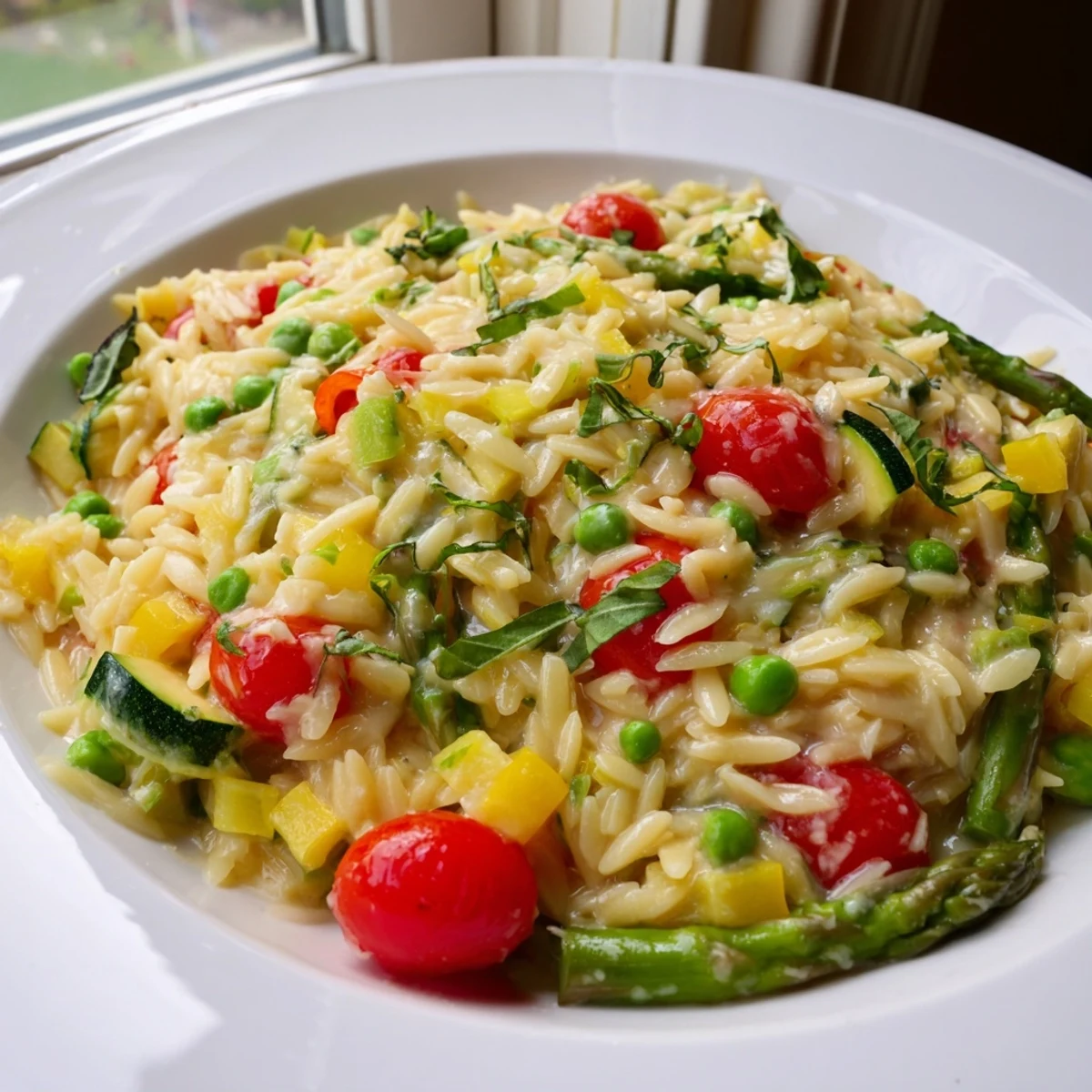
This primavera works as a main course but also shines as a side dish alongside grilled fish or roasted chicken. I love serving it in shallow bowls so everyone gets plenty of that cheesy sauce at the bottom.
- Grate some extra Parmesan over each portion at the table
- A crusty baguette is perfect for mopping up any remaining sauce
- A chilled glass of Pinot Grigio cuts through the richness beautifully
 Pin It
 Theres something deeply satisfying about a dish that celebrates vegetables without making them feel like an obligation to eat more greens. This primavera reminds me that simple ingredients, treated with respect, can create something that feels like a hug on a plate.
Recipe FAQs
- → What vegetables work best in orzo primavera?
-
Spring vegetables shine in this dish, including zucchini, cherry tomatoes, bell peppers, asparagus, and peas. You can also add green beans, snap peas, or baby spinach depending on what's fresh and available.
- → Can I make orzo primavera ahead of time?
-
While best served fresh, you can prepare the vegetables and sauce components in advance. Cook the orzo just before serving, then combine everything. Reheat gently with a splash of water or olive oil to restore creaminess.
- → What can I substitute for Parmesan cheese?
-
Nutritional yeast works well for a vegan option, adding similar umami and cheesy flavor. Pecorino Romano offers a sharper alternative, while aged provolone provides a milder taste.
- → How do I prevent orzo from becoming mushy?
-
Cook orzo until al dente according to package instructions, usually 8-10 minutes. Reserve pasta water before draining, and don't overcook the vegetables—they should stay crisp-tender for texture contrast.
- → What wine pairs well with orzo primavera?
-
Crisp white wines complement the bright lemon and fresh vegetable flavors. Pinot Grigio, Sauvignon Blanc, or dry Pinot Grigio are excellent choices that won't overpower the delicate dish.
- → Is orzo gluten-free?
-
Traditional orzo contains wheat and is not gluten-free. Look for certified gluten-free orzo made from rice, corn, or quinoa if you need to avoid gluten. The cooking time may vary for alternative grains.