
 Pin It
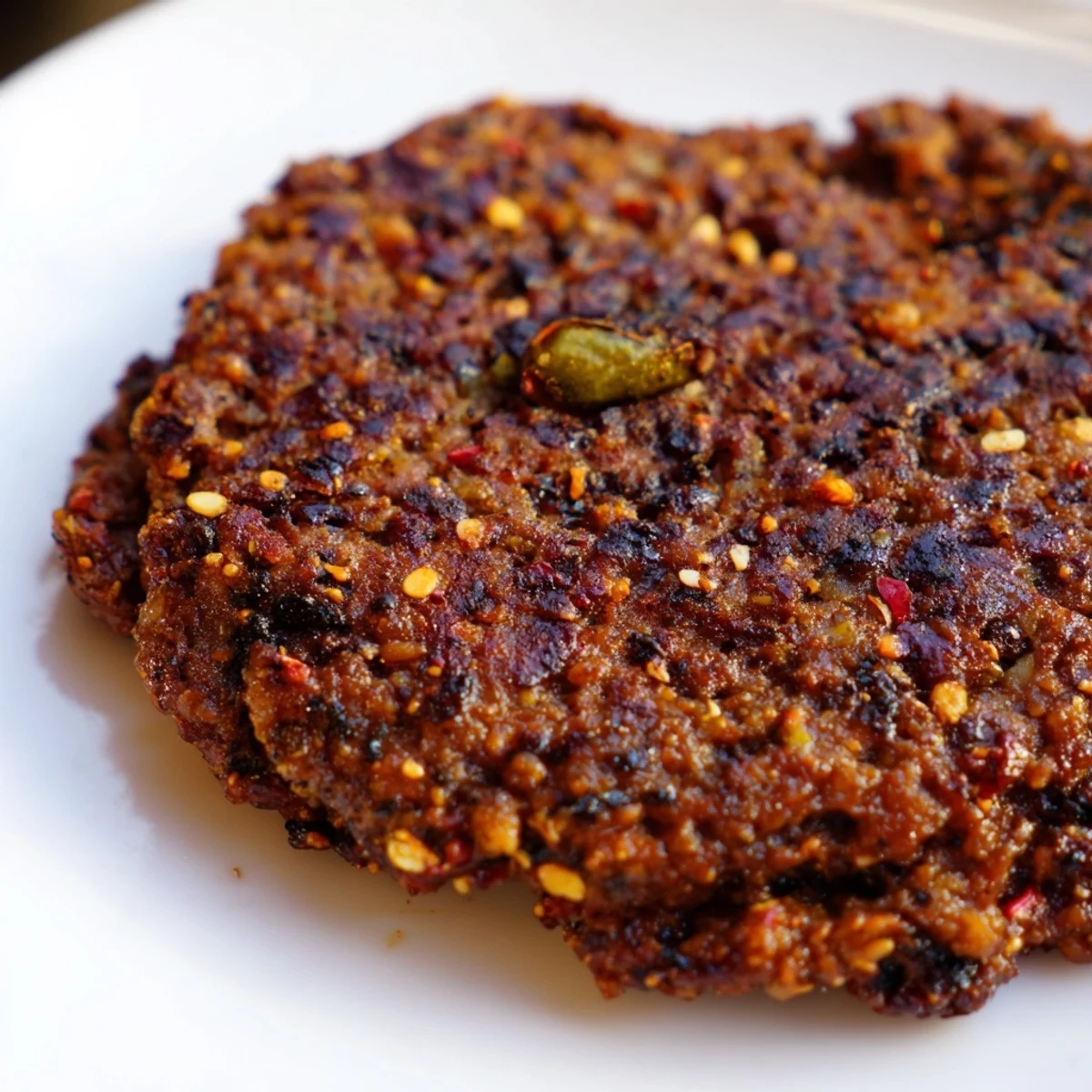
 These beloved South Asian minced meat patties combine ground beef or lamb with finely chopped onions, tomatoes, green chilies, and fresh herbs. The signature spice blend features crushed coriander seeds, roasted cumin, red chili flakes, garam masala, and tangy dried pomegranate seeds. After chilling the seasoned mixture, form flat patties and shallow-fry in ghee until golden brown with irresistibly crispy edges while remaining juicy inside. Serve hot alongside naan bread, cooling yogurt raita, and fresh salad for a complete meal that captures the bold flavors of Pakistani cuisine.
The first time I encountered Chapli Kabab was at a street food stall in Lahore, where the vendor flattened these meat patties with such confidence and speed that I couldn't look away. The sizzling sound of them hitting the hot pan and that incredible aroma of toasted cumin and coriander still makes my mouth water every time I make them at home. What struck me most was how something so simple could taste so extraordinary.
Last summer, I made these for a backyard dinner party when my Pakistani neighbor mentioned she hadn't had proper Chapli Kabab since moving to our town. Watching her face light up after the first bite, saying this actually tastes like home, reminded me why sharing food through culture matters so much. Her kids ended up eating three each and asked when I'd make them again.
Ingredients
- 500 g ground beef or lamb: The fat content here is non-negotiable, I've tried lean meat and the texture just isn't the same
- 1 medium onion, finely chopped: Don't skip this step, the onions cook into the meat and become part of the magic
- 2 medium tomatoes, deseeded and finely chopped: Removing the seeds keeps the kabab from getting watery while still adding moisture
- 2 green chilies, finely chopped: Adjust based on your heat tolerance, but they really do need to be there
- 1 bunch fresh coriander, chopped: Use both leaves and tender stems for maximum flavor impact
- 2 tbsp fresh mint leaves, chopped: Fresh mint gives that bright pop that dried mint simply cannot replicate
- 2 tsp crushed coriander seeds: Toast them slightly in a dry pan first and thank me later
- 1½ tsp cumin seeds, roasted and crushed: The roasting step changes everything, don't rush it
- 1 tsp red chili flakes: This is your baseline heat, add more if you're feeling brave
- 1½ tsp salt: Taste your mixture before shaping, you can always add more but you can't take it back
- 1 tsp garam masala: Homemade is best, but a good quality store bought version works perfectly fine
- 1 tsp dried pomegranate seeds (anardana), crushed: This sour element is the secret weapon that cuts through all the richness
- ½ tsp black pepper: Freshly ground makes a noticeable difference here
- 1 tsp paprika: Mostly for that gorgeous red color, but adds subtle depth too
- 1 tbsp ginger-garlic paste: Fresh paste is ideal, but good quality jarred paste works in a pinch
- 1 egg: Helps bind everything together without making the texture rubbery
- 3 tbsp cornmeal or gram flour (besan): Besan is traditional and adds that authentic nutty flavor
- 2 tbsp corn oil or ghee: Ghee gives better flavor but oil works if that's what you have
Instructions
- Mix the base:
- Combine everything in a large bowl, getting your hands in there to really distribute the spices evenly throughout the meat
- Add the binders:
- Crack in the egg and sprinkle in the cornmeal, mixing gently until everything just comes together
- Let it rest:
- Cover and refrigerate for 15 minutes, which helps the mixture firm up and makes shaping so much easier
- Shape the kababs:
- Grease your hands well and form patties about 1 cm thick, pressing down gently to create that characteristic flat shape
- Heat your pan:
- Get your oil or ghee shimmering over medium heat, but don't let it smoke
- Fry to perfection:
- Cook for 3 to 4 minutes per side until you see that beautiful golden brown crust develop
- Drain and rest:
- Transfer to paper towels briefly, but serve them while they're still hot and sizzling
 Pin It
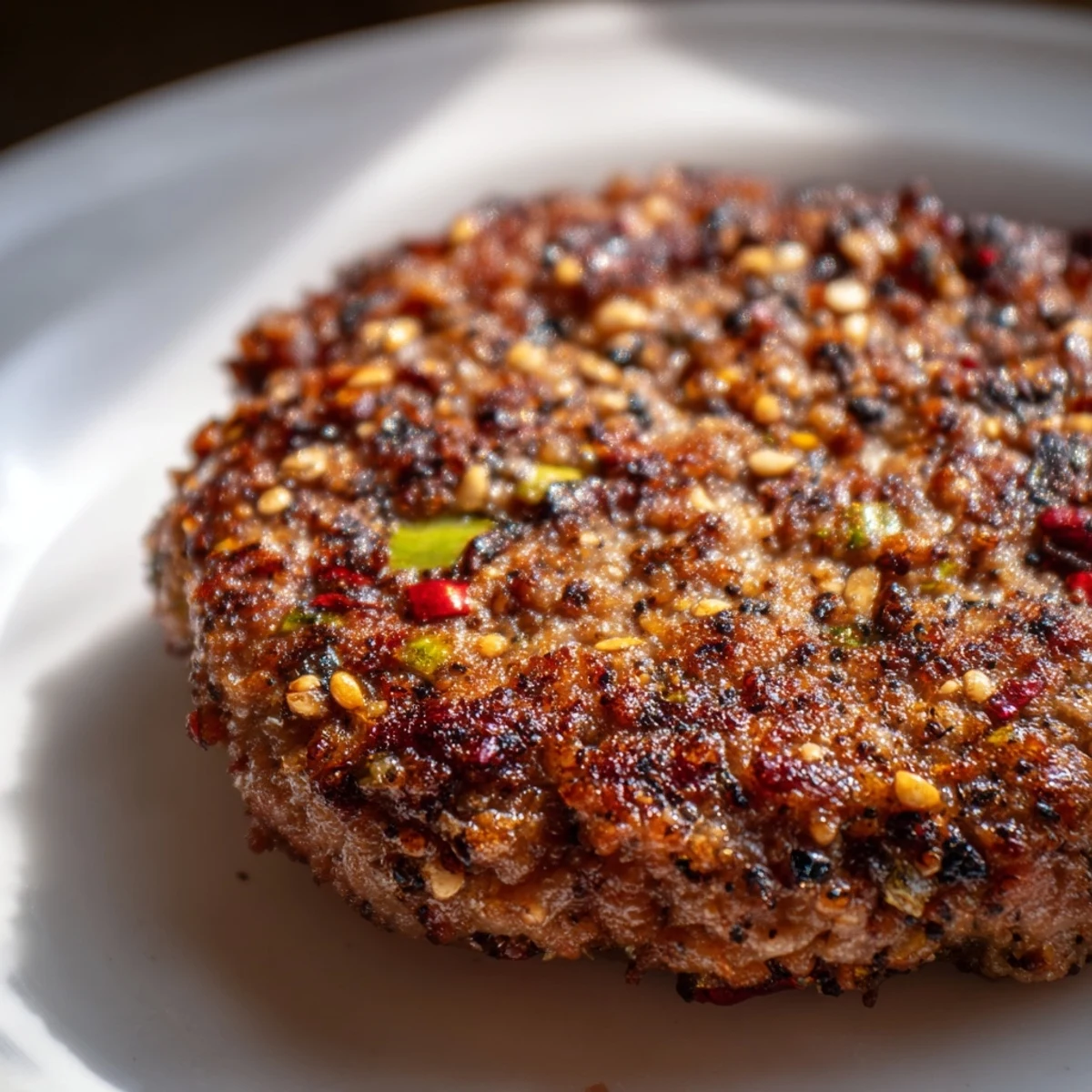
 My uncle swears by exposing the cooked kababs to charcoal smoke for 30 seconds, a technique he learned from a Peshawar chef who refused to share any other secrets. I tried it once with a small piece of charcoal and the difference was subtle but undeniable, adding this haunting smoky quality that made everyone ask what I'd done differently.
Getting The Texture Right
The cornmeal or gram flour isn't just about binding, it creates that signature slightly crispy exterior while keeping the inside tender. I've found that letting the mixture rest in the refrigerator gives the flavors time to marry and makes the shaping process much less frustrating.
Serving Suggestions That Work
While naan is traditional, I've served these in burger buns for fusion nights and wrapped them in lettuce for low carb friends. The fresh salad isn't just garnish, that acidity and crunch really cuts through the rich spices.
Make Ahead Strategy
You can shape the raw patties and freeze them between sheets of parchment paper for up to a month. They cook beautifully from frozen, just add an extra minute per side. I always make a double batch now because they disappear faster than expected.
- Fry in ghee if you want that authentic restaurant taste
- Let the pan come back to temperature between batches
- Never press down on the kababs while they're cooking
 Pin It
 There's something deeply satisfying about food that brings people together across cultures and generations. These kababs have become part of our family gatherings now, and that's the best endorsement I can offer.
Recipe FAQs
- → What makes Chapli Kabab different from other kebabs?
-
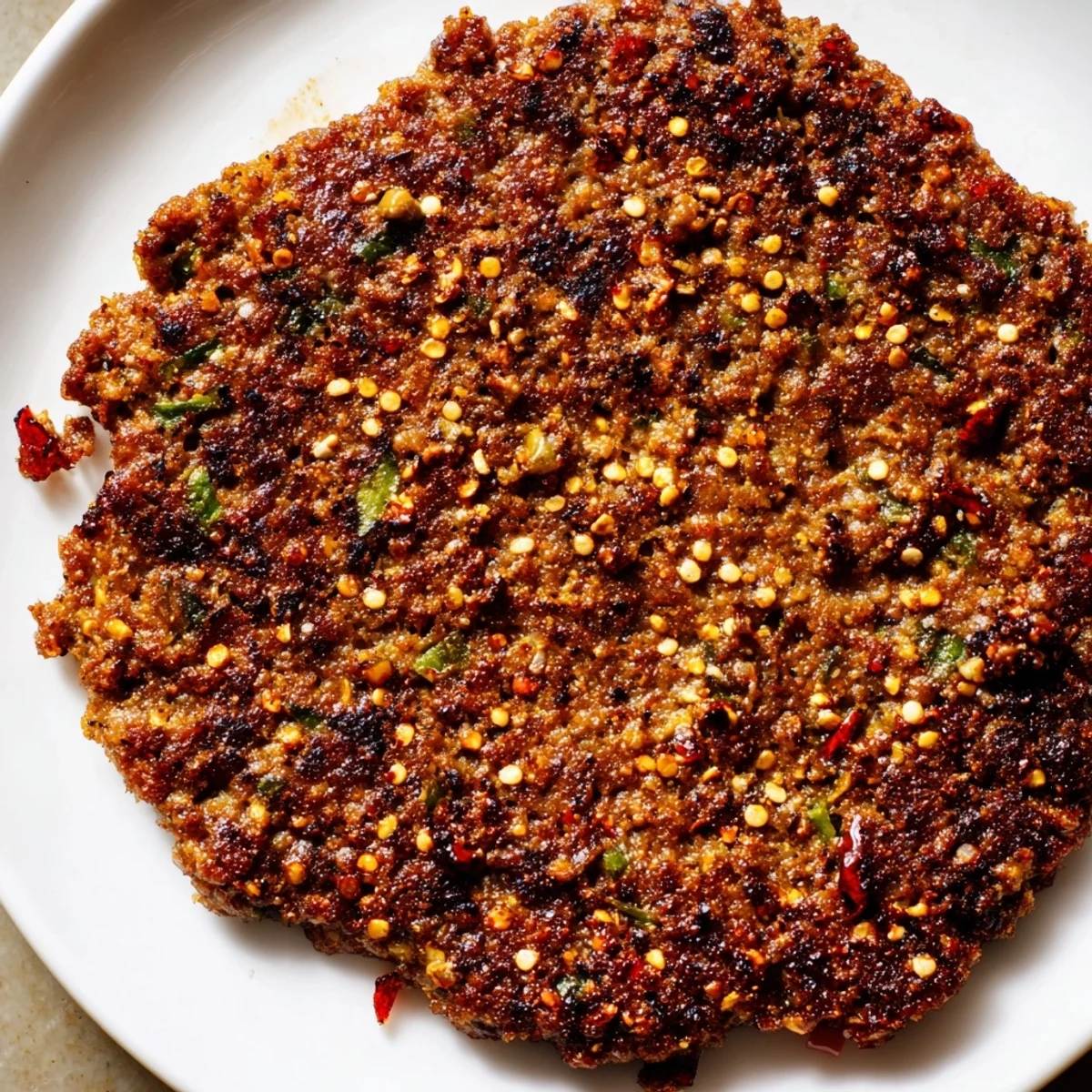
Chapli Kabab features a distinct flat, round shape resembling a sandal (chapli in Urdu). The meat mixture includes finely chopped tomatoes and onions directly in the patty, creating unique moisture and texture. The addition of dried pomegranate seeds adds a subtle tangy flavor that sets it apart from other South Asian kebabs.
- → Can I use ground chicken instead of beef or lamb?
-
While traditional Chapli Kabab uses beef or lamb with higher fat content (20%), you can substitute ground chicken. However, chicken is leaner and may produce drier patties. Consider adding extra oil or an additional egg to maintain moisture. The cooking time may also need adjustment as chicken cooks faster than red meat.
- → Why is cornmeal or gram flour added to the mixture?
-
Cornmeal or gram flour (besan) acts as a binding agent, helping the patties hold their shape during frying. It also contributes to the characteristic crispy exterior. Gram flour is the traditional choice and adds a subtle nutty flavor, while cornmeal provides extra crunch. Both work well to prevent the kababs from falling apart in the pan.
- → How can I make the kababs spicier or milder?
-
Adjust the heat level by modifying the amount of green chilies and red chili flakes. For milder versions, reduce green chilies to one and decrease red chili flakes to half a teaspoon. To increase spiciness, add an extra green chili or increase red chili flakes to two teaspoons. Remember that garam masala also contributes warmth, so balance all spices according to your preference.
- → Can I freeze the uncooked kabab patties for later?
-
Yes, Chapli Kababs freeze exceptionally well. After forming the patties, arrange them in a single layer on a baking sheet and freeze until solid. Transfer to an airtight container or freezer bag, separating layers with parchment paper. They can be frozen for up to 3 months. Thaw in the refrigerator before cooking, or cook from frozen by adding a few extra minutes to the frying time.
- → What's the purpose of chilling the meat mixture?
-
Refrigerating the seasoned meat mixture for 15 minutes helps firm up the texture, making it easier to shape uniform patties that hold together during cooking. The cold temperature also helps the fat solidify slightly, which contributes to better texture and prevents the patties from becoming too soft or falling apart when placed in the hot pan.