
 Pin It
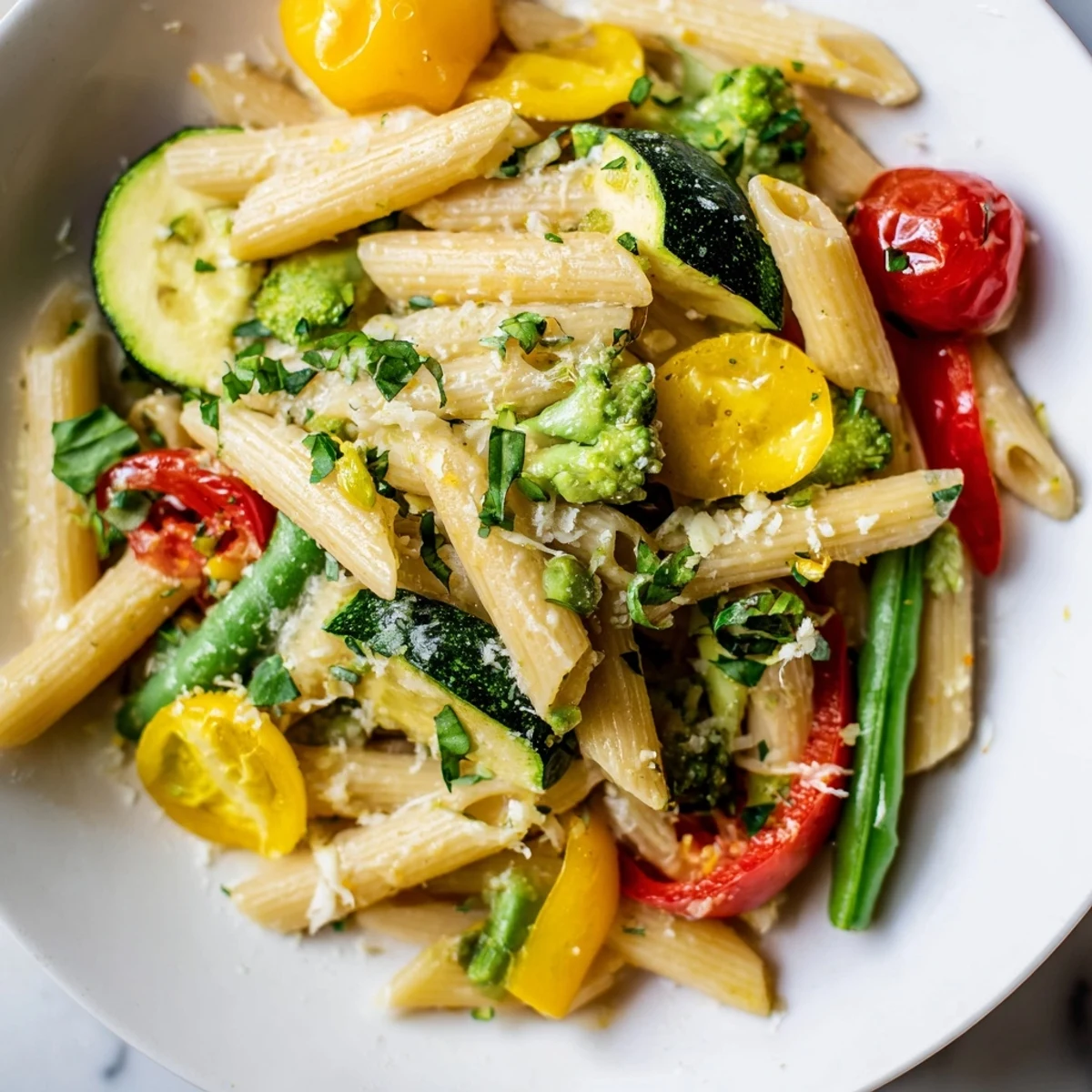
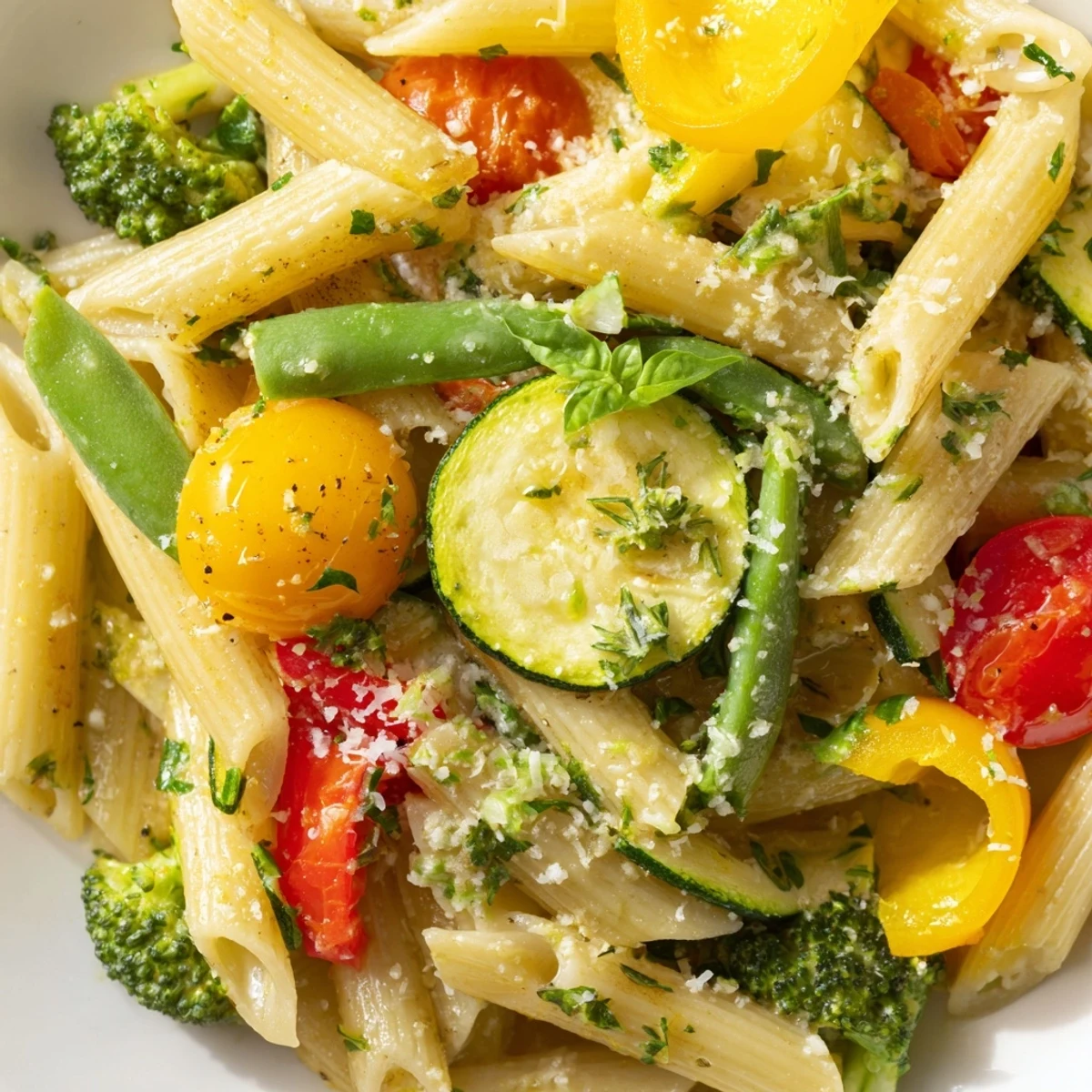
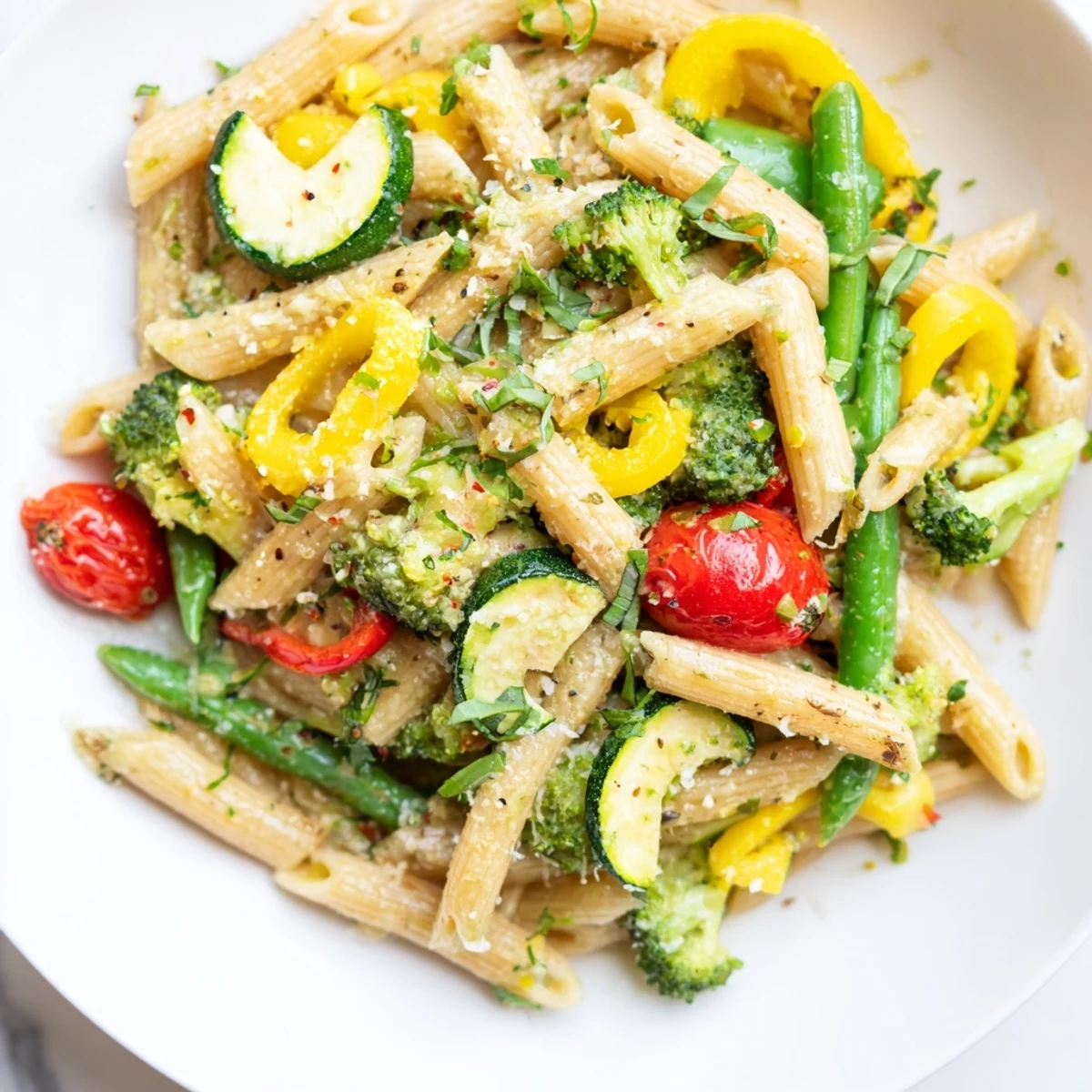
 This beloved Italian classic transforms simple ingredients into something special. Al dente penne or spaghetti mingles with crisp zucchini, yellow squash, bell peppers, cherry tomatoes, sugar snap peas, and broccoli florets. The vegetables are sautéed until just tender, then tossed with the pasta in a bright sauce featuring garlic, extra virgin olive oil, vegetable broth, and fresh lemon juice. Fresh basil, parsley, and Parmesan cheese add the perfect finishing touches. The entire dish comes together in just 40 minutes, making it ideal for busy weeknights yet elegant enough for entertaining.
There's something magical about that first bite of pasta primavera when the vegetables still have their bright crunch and the sauce clings perfectly to each piece. I discovered this on a crowded Tuesday night when my refrigerator was overflowing with farmer's market finds and I needed dinner fast. The way the lemon brightens everything while the garlic creates that aromatic foundation just clicked. It became my go-to for those nights when I want something that feels special but doesn't require hours standing over the stove.
Last spring my neighbor Sarah brought over an armful of vegetables from her garden and we stood in my kitchen testing different combinations until we landed on this perfect mix. The snap peas add this incredible sweet crunch that balances beautifully with the slight bitterness of broccoli. Now every time I make it I think of her laughing as we debated whether yellow squash was absolutely necessary spoiler it is.
Ingredients
- 400 g penne or spaghetti: Penne catches all those little vegetable pieces in its tubes but spaghetti works beautifully if you want something more traditional
- 1 small zucchini and yellow squash: Slice them about the same thickness so they cook evenly and keep their lovely texture
- 1 red bell pepper: The julienned strips add gorgeous color and a subtle sweetness that balances the lemon
- 1 cup cherry tomatoes: They burst slightly in the pan creating little pockets of concentrated tomato flavor
- 1 cup sugar snap peas: Leave them whole if they're small or halve larger ones for that satisfying crunch in every bite
- 1 cup broccoli florets: Use small pieces so they cook through without becoming mushy
- 3 tablespoons extra virgin olive oil: This creates the silky base that carries all the flavors together
- 3 cloves garlic: Don't mince it too finely you want little nuggets of garlic flavor throughout
- 1/2 teaspoon crushed red pepper flakes: Optional but adds this lovely hum of heat that makes everything more interesting
- 1/2 cup vegetable broth: Creates a light sauce without overwhelming the fresh vegetable flavors
- Juice of 1 lemon: Fresh is absolutely essential here it's what makes the whole dish sing
- 1/4 cup grated Parmesan: Use the good stuff you grate yourself it melts into the sauce creating creaminess
- Salt and freshly ground black pepper: Taste as you go the vegetables need proper seasoning to shine
- 2 tablespoons each fresh basil and parsley: Add these at the very end so they stay bright and vibrant
Instructions
- Get your pasta water going first:
- Bring a large pot of salted water to boil and cook pasta until al dente then drain but remember to save that half cup of pasta water it's liquid gold for bringing your sauce together
- Build your flavor foundation:
- Heat olive oil in a large skillet over medium heat add garlic and red pepper flakes if using and let them sizzle for about a minute until your kitchen smells amazing
- Add the harder vegetables first:
- Toss in zucchini squash bell pepper and broccoli and sauté for 4 to 5 minutes until they're just tender with a little bite still
- Add the quick cooking vegetables:
- Throw in cherry tomatoes and snap peas for another 2 to 3 minutes until tomatoes start to soften and peas turn bright green
- Create your light sauce:
- Pour in vegetable broth and lemon juice and let everything simmer together for 2 minutes then season with salt and pepper
- Bring it all together:
- Add that drained pasta right into the skillet with Parmesan and splash in some of your reserved pasta water if needed to loosen everything up
- Finish with fresh herbs:
- Stir in basil and parsley right at the end then taste and adjust your seasoning before serving
 Pin It
 My sister in law requested this at her wedding dinner and seeing everyone's face light up when they took that first bite made me realize how something so simple can bring so much joy. It's become our family celebration dish appearing at birthdays graduations and random Tuesday victories.
Getting The Vegetable Timing Right
The biggest mistake people make with pasta primavera is cooking everything until it's uniformly soft but that completely misses the point. You want each vegetable to maintain its individual character and texture. I learned this the hard way after serving my family a bowl of uniformly gray vegetables that they politely ate but never requested again. Now I cook in stages starting with the densest vegetables and finishing with delicate ones that need just a moment in the pan.
Making It Your Own
This recipe is incredibly forgiving and welcomes substitutions based on what's in season or what you have on hand. Sometimes I'll add asparagus in spring or diced eggplant in summer even though that's not traditional. The key is keeping similar sized pieces and adjusting cooking times accordingly. Once you understand the rhythm of building flavors in stages you can adapt this to whatever beautiful vegetables catch your eye at the market.
Serving Suggestions That Work Every Time
A simple green salad with a sharp vinaigrette cuts through the richness beautifully while some crusty bread is perfect for soaking up any extra sauce at the bottom of the bowl. I love serving this family style on a big platter with extra Parmesan on the table so everyone can add more if they want. On weeknights I'll sometimes top it with a handful of arugula for some peppery fresh contrast against the warm pasta.
- Let the dish rest for 5 minutes before serving so the sauce has time to coat everything properly
- Pass extra Parmesan at the table because some people love a really cheesy bowl
- A glass of crisp white wine like Pinot Grigio makes this feel like a proper Italian dinner
 Pin It
 This dish has saved me countless times when unexpected guests show up or when I just need something that feels like a hug in a bowl. Hope it becomes a staple in your kitchen too.
Recipe FAQs
- → What vegetables work best in pasta primavera?
-
Spring vegetables shine here—zucchini, yellow squash, bell peppers, cherry tomatoes, sugar snap peas, and broccoli florets provide color, texture, and fresh flavor. Feel free to substitute based on seasonality or preference.
- → How do I prevent the vegetables from becoming mushy?
-
Sauté the harder vegetables like zucchini, squash, and broccoli first for 4–5 minutes. Add delicate cherry tomatoes and snap peas later, cooking just 2–3 minutes until tender-crisp. This maintains texture and vibrant color.
- → Can I make this dish in advance?
-
While best served immediately, you can prep components ahead. Cook vegetables and pasta separately, then combine just before serving with the sauce ingredients. Add a splash of pasta water to refresh the sauce.
- → What pasta shape works best?
-
Penne catches the sauce and vegetables beautifully. Spaghetti creates elegant strands. Fusilli, rigatoni, or farfalle also work well. Choose what your family enjoys most.
- → How can I add more protein to this dish?
-
Stir in cooked shredded chicken, pan-seared shrimp, or chickpeas during the final toss. Crispy pancetta or prosciutto also complement the fresh vegetables beautifully without overwhelming the light sauce.
- → Is this suitable for gluten-free diets?
-
Simply substitute regular pasta with your favorite gluten-free variety. The rest of the dish is naturally gluten-free. Brown rice or chickpea pasta work particularly well with these flavors.