
 Pin It
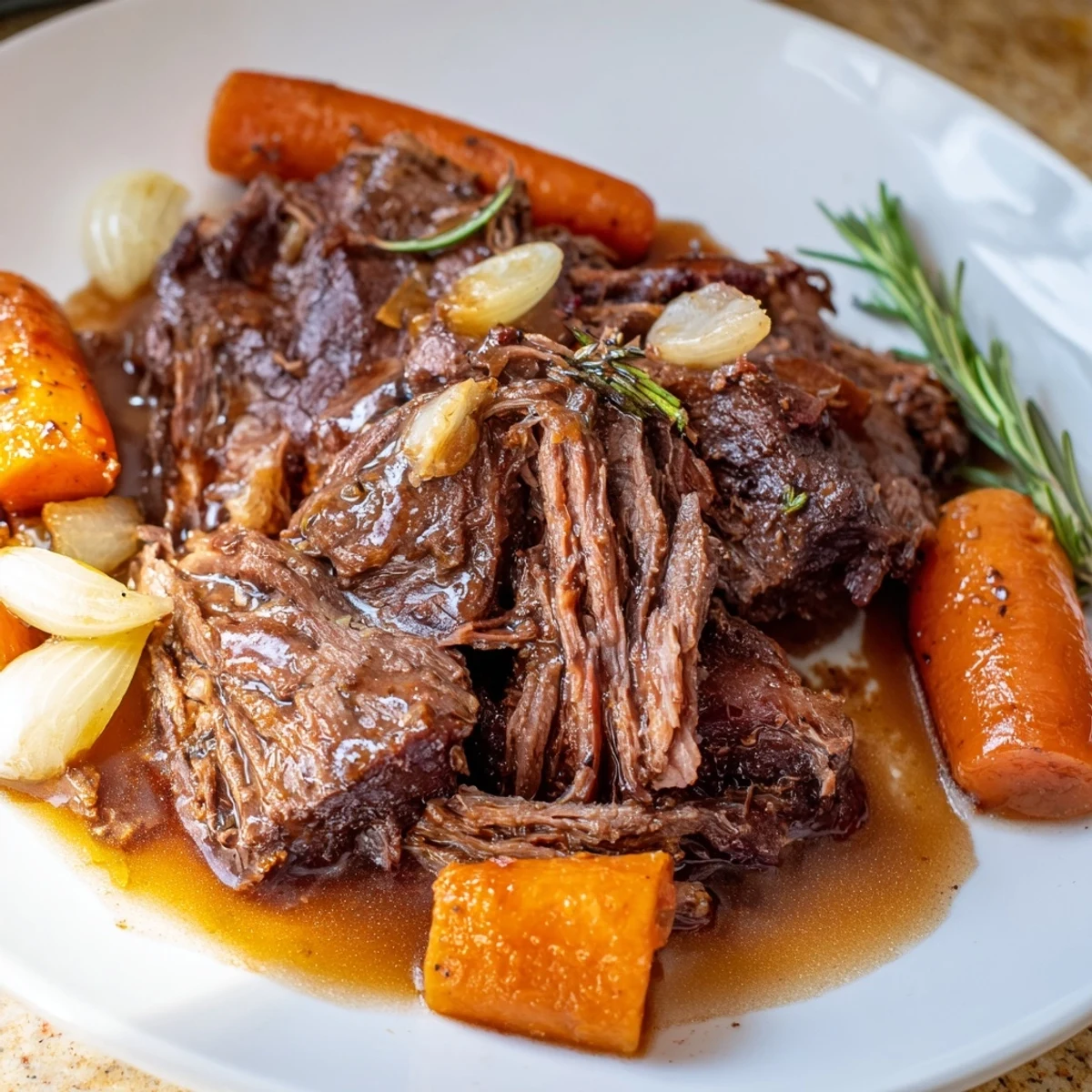
 This classic American pot roast features a 3–4 lb beef chuck roast seared to a deep golden crust, then slow-braised for 3 hours in a rich combination of beef broth, red wine, and tomato paste.
Carrots, celery, and onions cook alongside the meat, absorbing all the savory juices while becoming meltingly tender. Fresh rosemary, thyme, and bay leaves infuse everything with earthy, aromatic warmth.
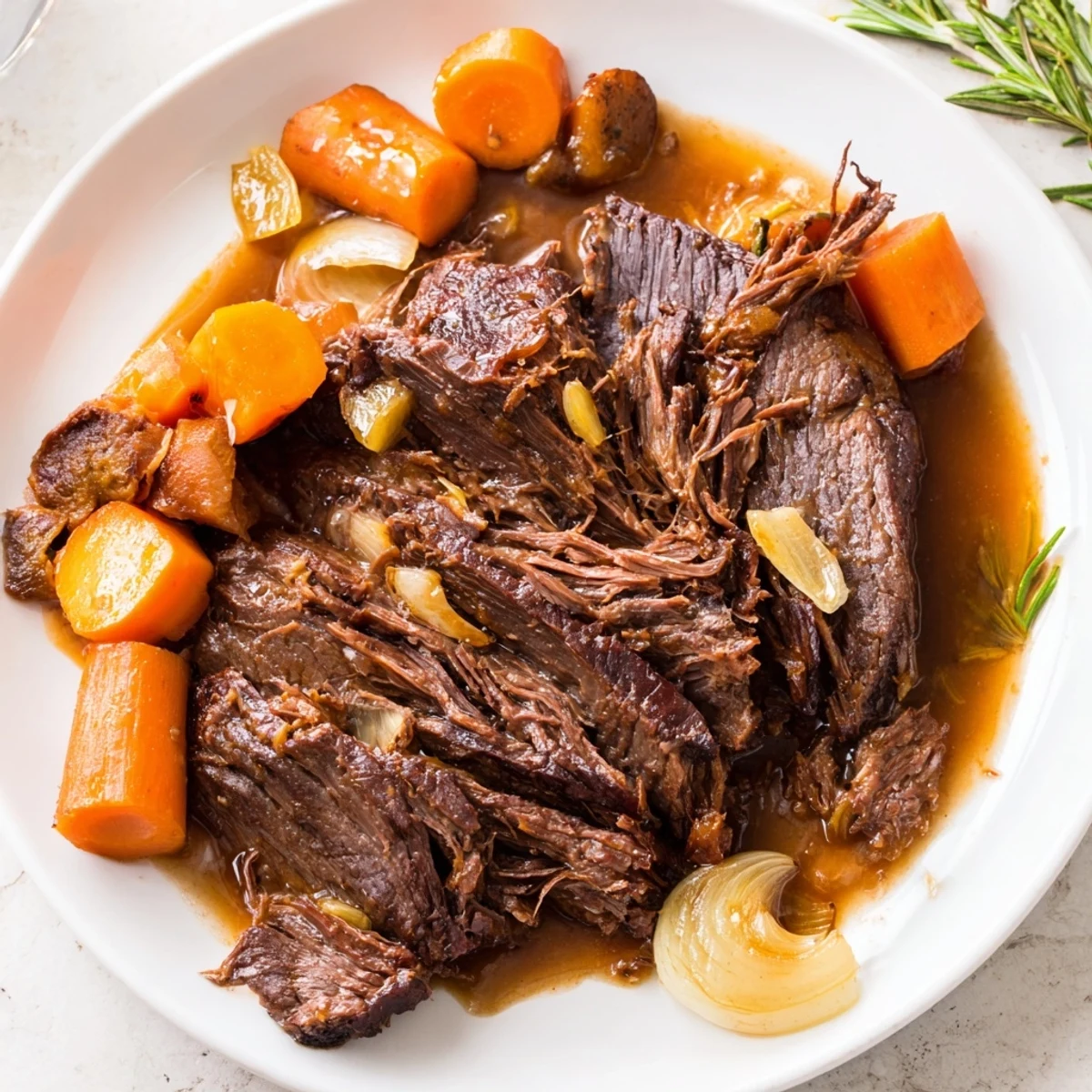
The result is fork-tender beef that falls apart with gentle pressure, bathed in a deeply flavorful pan gravy. Serve it sliced or shredded with the vegetables and spoonfuls of the cooking liquid for a satisfying, gluten-free main course that feeds six generously.
The screen door slammed shut behind me on a January afternoon so cold it made my teeth ache, and the only thing standing between my family and collective misery was a four pound chuck roast sitting on the kitchen counter. My grandmother would have called it humble food, the kind of meal that does not try to impress you but ends up being the thing you crave decades later. The house smelled like thyme and wine for hours after, and even the dog parked herself outside the oven door, waiting.
I have made this roast during a blizzard that knocked out the television, on a lazy Sunday when the fridge looked empty, and once in a rental house with a suspicious looking pot that somehow still produced magic.
Ingredients
- 1 (3 to 4 lb) beef chuck roast: Chuck is the cut you want because its marbling breaks down during the long braise and keeps everything juicy. Do not substitute a lean cut or you will end up with something sad and dry.
- 3 large carrots, peeled and cut into large pieces: Cut them thick so they hold their shape through three hours of cooking without turning to mush.
- 3 celery stalks, cut into chunks: These disappear into the broth and give it a savory backbone you will miss if you leave them out.
- 1 large yellow onion, quartered: Onion is the foundation of everything good in this pot. Leave the quarters fairly large so they caramelize rather than dissolve.
- 3 to 4 cloves garlic, smashed: Smashing instead of mincing means gentle garlic flavor that permeates the broth without overpowering it.
- 2 cups beef broth: Low sodium if possible because the reduction concentrates salt fast. Check the label for gluten free certification if that matters to you.
- 1 cup dry red wine: A Cabernet or Merlot works beautifully, but if you skip it just add an extra cup of broth and a splash of balsamic vinegar for depth.
- 2 tablespoons tomato paste: This small amount adds a richness and slight sweetness that ties the whole sauce together.
- 2 teaspoons kosher salt and 1 teaspoon black pepper: Season the roast generously before searing because this is your chance to build flavor directly into the meat.
- 1 teaspoon dried thyme, 2 sprigs fresh rosemary, and 2 bay leaves: The herb bundle transforms the braising liquid into something that tastes like it took all day, because it did.
- 2 tablespoons olive oil: You need this for a proper sear. Get the oil shimmering hot before the meat touches the pan.
Instructions
- Crank the oven low and slow:
- Preheat your oven to 300 degrees Fahrenheit. Low and slow is the entire philosophy here, so resist the urge to rush it with higher heat.
- Dry and season the roast:
- Pat the chuck roast completely dry with paper towels, then season all over with salt and pepper. Moisture is the enemy of a good sear, so do not skip the drying step.
- Build that beautiful crust:
- Heat olive oil in a large Dutch oven over medium high heat until it shimmers, then sear the roast for four to five minutes per side until every surface is deeply browned. Move it to a plate and admire what you just did.
- Wake up the vegetables:
- In the same pot with all those glorious drippings, cook the onions, carrots, and celery for four to five minutes until they pick up some color. Stir in the garlic and tomato paste for one minute until everything smells incredible.
- Deglaze with wine:
- Pour in the red wine and scrape the bottom of the pot with your spoon to loosen every last browned bit stuck to the pan. Let it bubble and reduce for two to three minutes.
- Bring it all together:
- Settle the roast back into the pot, pour in the beef broth, and tuck in the thyme, rosemary sprigs, and bay leaves. Bring it to a simmer on the stovetop, then clamp on the lid.
- Let the oven do the work:
- Transfer the covered pot to the oven and cook for three hours. Check it at the two and a half hour mark by poking the meat with a fork. If it slides out easily, you are there.
- Rest and serve:
- Remove the pot from the oven, discard the bay leaves and herb stems, then slice or shred the beef. Spoon the vegetables and pan juices generously over the top and serve immediately.
 Pin It
 One February evening my father in law walked into the house, stopped mid sentence, and said whatever that is, I am staying for dinner.
What to Serve Alongside
Mashed potatoes are the obvious and correct answer because they give you something to soak up every drop of pan juice, but buttered egg noodles or crusty bread work just as well for the same reason. A simple green salad with a sharp vinaigrette cuts through the richness nicely if you want some contrast on the plate.
Leftovers Are the Real Prize
The second day is when pot roast truly shines because the meat and sauce have had overnight to become fully acquainted. Shred whatever remains into sandwiches with horseradish cream, or drop it into a pot with extra broth for the fastest homemade soup you will ever make.
Getting the Sear Right Changes Everything
The browning step is where you earn the deep, savory flavor that makes people close their eyes when they take the first bite. Here are a few things that help it go smoothly every time.
- Make sure the roast is patted completely dry before it hits the oil because moisture causes steaming instead of browning.
- Do not move the meat around once you set it down, let it sit undisturbed until it releases naturally from the pan.
- Use the biggest, heaviest pot you own because thin pans create hot spots that lead to uneven color.
 Pin It
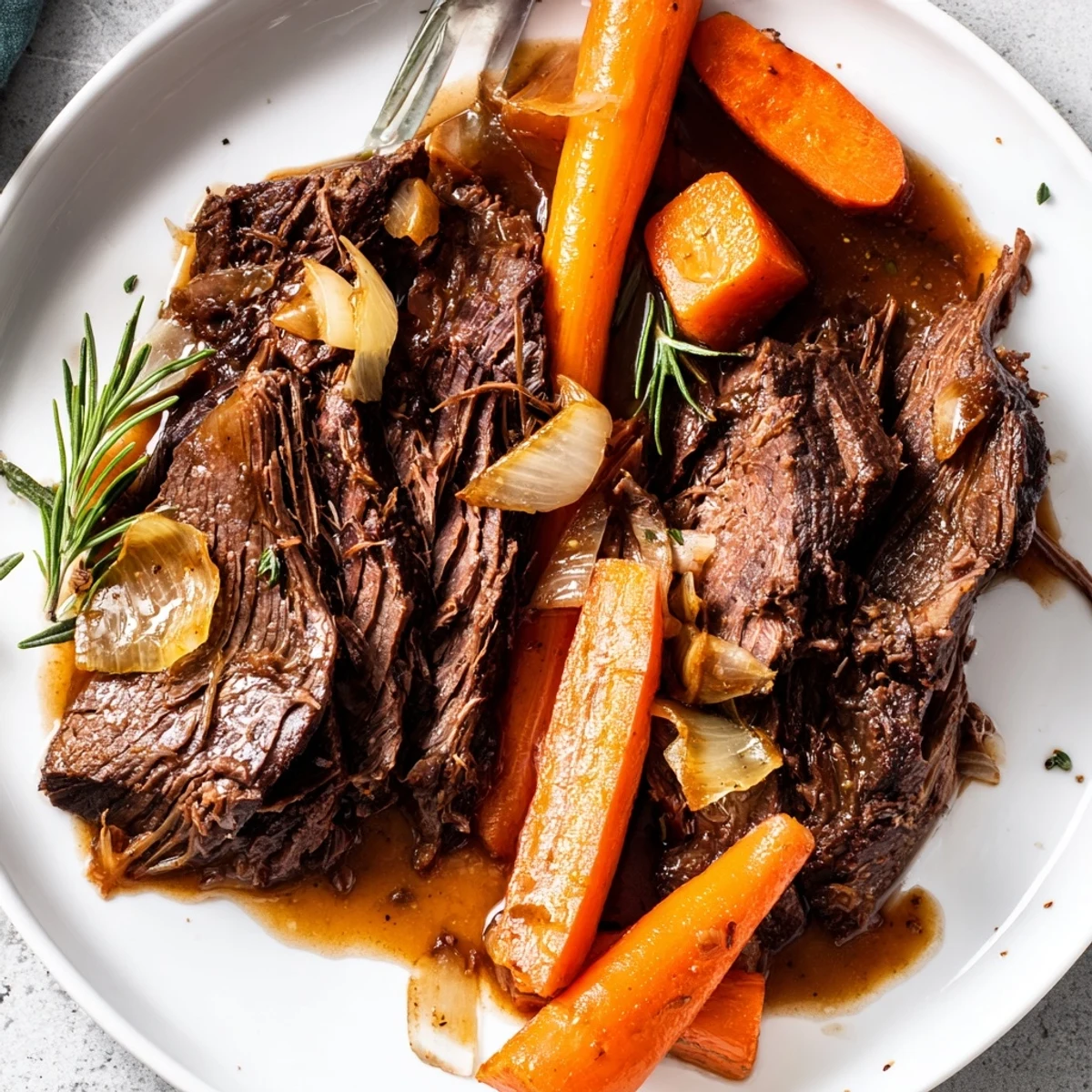
 Some meals feed people and some meals gather them, and a pot roast pulled steaming from the oven on a cold evening manages to do both without even trying.
Recipe FAQs
- → What cut of beef works best for pot roast?
-
Beef chuck roast is the ideal choice. Its generous marbling and connective tissue break down during the long, slow braise, transforming into silky, melt-in-your-mouth tenderness. Shoulder roast or brisket are also acceptable alternatives.
- → Can I make pot roast without red wine?
-
Absolutely. Simply replace the wine with an equal amount of additional beef broth. The tomato paste and herbs provide plenty of depth and complexity on their own, so you won't sacrifice flavor.
- → Why do I need to sear the roast before braising?
-
Searing creates a deeply browned crust through the Maillard reaction, which adds layers of rich, savory flavor to both the meat and the braising liquid. This step builds the foundation for a more complex, satisfying dish.
- → How do I know when the pot roast is done?
-
The roast is ready when it reaches fork-tender consistency, meaning a fork slides in and out with almost no resistance. This typically takes about 3 hours at 300°F. The meat should be easy to pull apart or slice without any toughness.
- → What should I serve with pot roast?
-
Mashed potatoes, buttered egg noodles, or crusty bread are excellent choices to soak up the rich pan juices. A simple green salad or roasted green beans also pair beautifully to balance the hearty, savory flavors.
- → Can I add potatoes directly to the pot?
-
Yes, adding quartered Yukon Gold or red potatoes during the last hour of cooking works well. They'll absorb the braising liquid and become incredibly flavorful. Add them later in the process to prevent them from turning mushy.